Cultural Heritage Listing (Vincolo): What It Is, Direct and Indirect, Obligations
The cultural heritage listing (vincolo) under D.Lgs. 42/2004: declaration of interest, direct and indirect listing, owner's duties and State pre-emption.
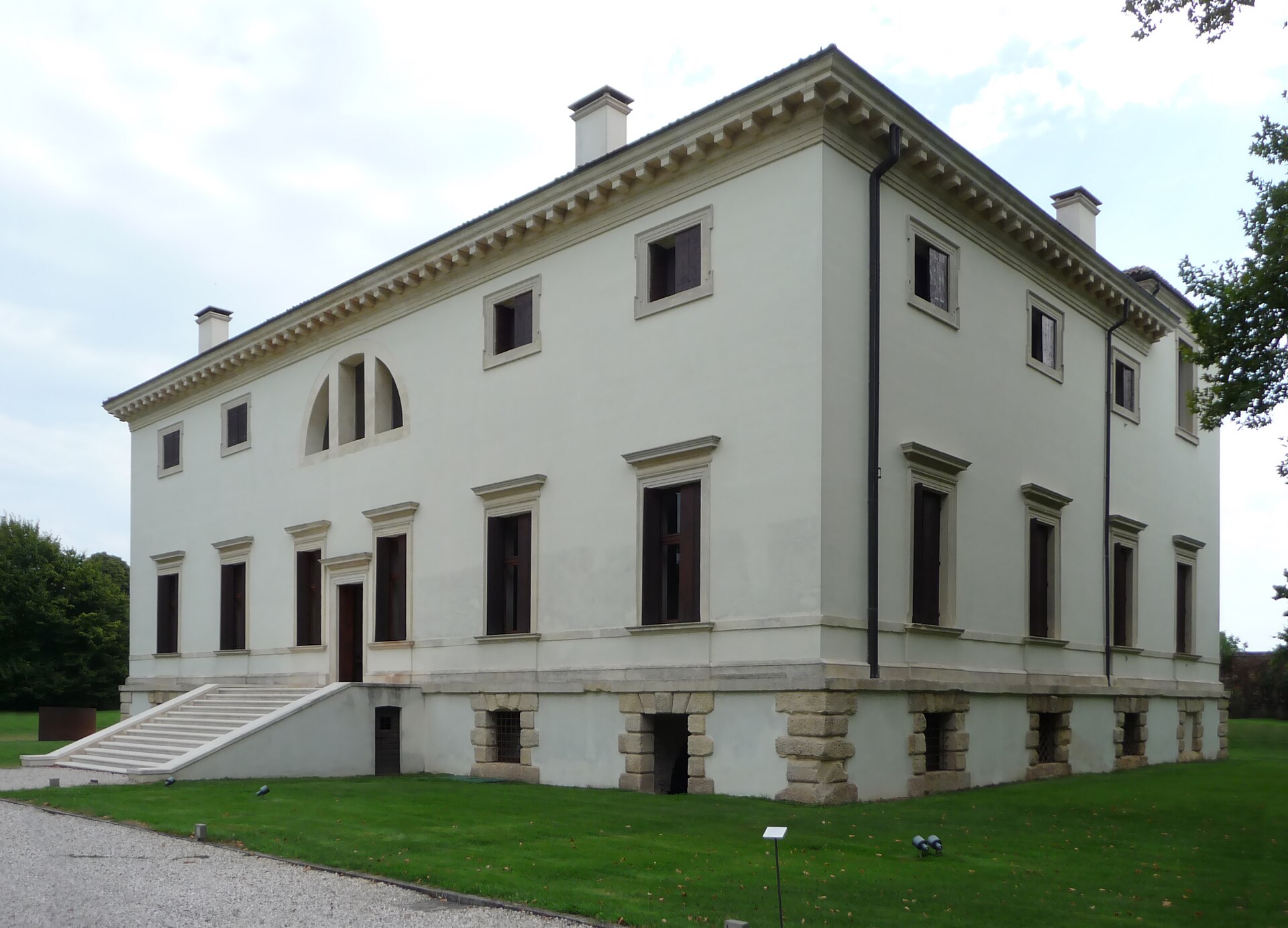
The cultural heritage listing — also known as the vincolo in Italy — is the legal framework the State places on an asset — a building, a monumental complex, an area — designated as having special historical, artistic, archeological or ethno-anthropological interest. The listing is not simply a form of recognition; rather, it is a set of constraints and obligations regulated by the Code of Cultural Heritage and Landscape (Legislative Decree 42/2004) and obliges owners to maintain their assets in good condition and require approval from the Soprintendenza prior to performing any work on them. Therefore, if a Venetian villa such as Villa Loredan Valier Perocco di Meduna has been listed, this signifies both that it belongs by law to the community’s cultural heritage, while at the same time remaining private property.
In brief
- The listing arises from a declaration of cultural interest notified to the owner (Legislative Decree 42/2004).
- The direct listing applies to the asset itself; the indirect listing applies to the surrounding area, to protect its view and its context.
- Every intervention on a listed asset requires the authorisation of the Soprintendenza (art. 21).
- In the event of a sale, the State may exercise its right of pre-emption (arts. 60–62).
- The listing gives access to tax relief and to grants for restoration.
What the listing is and how it arises
In common usage, the word “vincolo” (listing) is what the Code describes as the declaration of cultural interest. If an asset belongs to a private individual, the Soprintendenza begins a procedure; assesses whether or not there exists sufficient interest for this asset under Article 10 of Legislative Decree no. 42/2004 (that identifies cultural heritage assets); if it does exist, then adopts a formal act which will be notified to the owner and registered with the land registry. At that time the asset becomes “listed”. Any future owner has the same obligations – listing goes with the object itself and not with whoever owns it (propter rem).
In addition, in case of properties owned by public bodies or non-profit organizations over 70 years old, there will be provisional protection on a presumptive basis until the interest is verified. Thus, this listing is not made at random; it results from a reasoned technical assessment. This assessment may still be contested before the administrative courts.
Direct and indirect listing
The distinction between a direct and an indirect listing will be fundamental to determining how far the protections extend. Direct listings protect the cultural asset in question and indirect listings protect the surrounding area of the building so as to preserve its view, lighting and dignity from being altered by future construction projects such as new buildings, hoarding etc. Thus, for example, a villa could have a direct listing on both the manor house and the barchesse but an indirect listing for both the parkland and agricultural lands which comprise its historic setting.
| Aspect | Direct listing | Indirect listing |
|---|---|---|
| Object | The cultural asset itself (the building, the complex) | The area and buildings surrounding the protected asset |
| What it limits | Interventions on the fabric and use of the asset: the Soprintendenza's authorisation is required | New buildings, heights, distances and uses that would harm its perspective and integrity |
| Purpose | To conserve the original in its substance and appearance | To preserve the context, the view and the environmental conditions of the asset |
| Legal basis | Declaration under arts. 10 and 13, obligations under arts. 20–21 of Legislative Decree 42/2004 | Prescriptions of indirect protection under Legislative Decree 42/2004 (art. 45 et seq.) |
The indirect listing does not turn the neighbouring land into cultural heritage assets: it merely imposes the prescriptions needed to prevent the value of the protected asset from being diminished by what stands beside it.
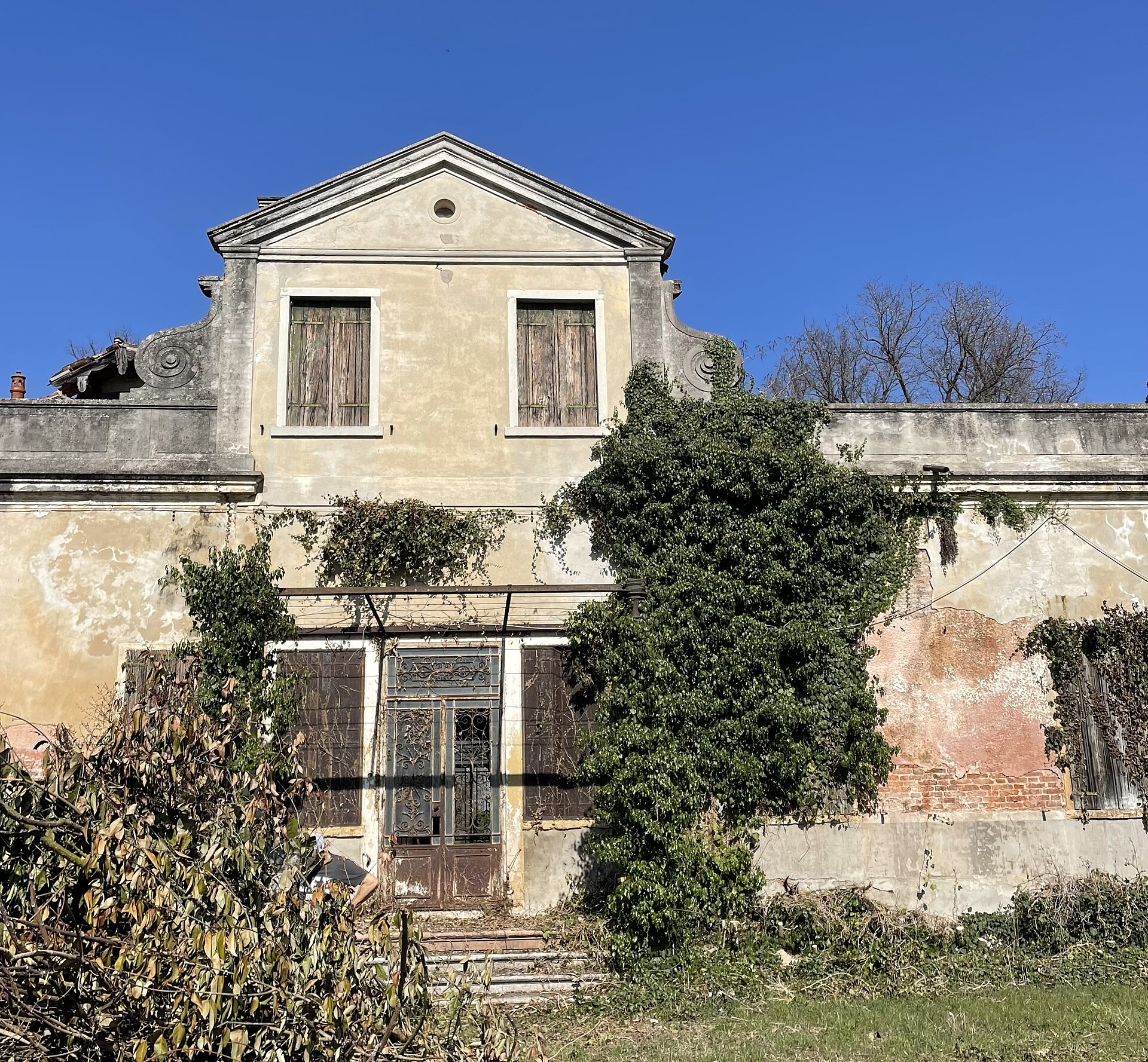 Photo: AllispossibleTech / Wikimedia Commons — CC BY-SA 4.0
The owner's obligations
Owning a listed building carries precise duties, which the Code sums up in the principle of conservation.
- Conservation and maintenance. The owner must ensure the conservation of the asset and may not subject it to uses incompatible with its historical-artistic character or prejudicial to its integrity (the general duty of protection under Legislative Decree 42/2004).
- Prior authorisation from the Soprintendenza. Under art. 21, every intervention of restoration, alteration, demolition or even simple transformation of the historic fabric must be authorised before the works begin. This is the step examined in detail in the guide to the conservative restoration of a Venetian villa.
- Prohibition on the unauthorised detachment and removal of decorative elements, frescoes and works connected to the asset.
- Declaration of transfers. The sale or transfer of ownership must be reported to the Ministry, a necessary precondition for the exercise of the right of pre-emption.
- Accessibility and enhancement. Protection goes hand in hand with enhancement: the asset, though private, contributes to public enjoyment of the heritage.
Carrying out works without authorisation on a listed asset is unlawful and may result in penalties and the obligation of restoration to the previous state (rimessa in pristino), that is, reinstating the original condition of the site.
The State's right of pre-emption
When an owner sells a listed property, the state (and secondarily, the Region or other public bodies) can use the pre-emption rights outlined in articles 60 through 62 of Legislative Decree 42/2004 to buy the asset at the agreed upon purchase price in place of the private buyer. This means that when an owner wants to sell a culturally significant asset, they are required to report the proposed sale to the Ministry so that it can evaluate if there will be a pre-emption or not within a given time frame. The sale does not become effective until such evaluation period has expired or until said sale is reported; therefore, prior to reporting, the sale cannot have complete legal efficacy with regard to government agencies. It serves as a protective mechanism allowing the State access to assets with great cultural significance although it is relatively infrequently used.
The related benefits
The listing does not solely comprise a bundle of obligations; rather, it provides access to a number of instruments of support. Tax relief can be provided on maintenance and restoration costs to cultural heritage assets. Public grants can also be made available for the conservation work that may need to take place with regard to such an asset. Charitable donations are further incentivized by the Art Bonus scheme, which grants a tax credit to those who fund the restoration of cultural heritage assets that are either public or open to the general public. With respect to the Ville Venete, additional avenues of support (the dedicated channels) will be at its disposal through the Istituto Regionale per le Ville Venete. Thus protection constitutes the entry point into a system of incentives designed to help reduce the burden placed upon owners wishing to conserve their properties.
FAQ
What is a listing (vincolo) on a cultural asset? The protection regime arises from the declaration of cultural interest provided for by Legislative Decree No. 42/2004; such declaration makes it a "listed building" which obliges the owner to keep it intact, prohibits its inappropriate use, and requires that any intervention on the historic fabric be authorized by the Soprintendenza.
What is the difference between direct and indirect listing? The direct listing applies to the cultural asset itself and governs interventions and uses; the indirect listing concerns the surrounding area and serves to protect the perspective, light and integrity of the asset, limiting new buildings or alterations that could damage its context.
What can the owner of a listed building do? They can live there, use it, sell it – all while respecting that they are doing so in a way that will help conserve it. Any work done to the historic building must be approved by the Soprintendenza (article 21). The seller of an historic house or building must notify the Ministry of the transaction; and the State has the right to buy the property first. In exchange, owners can access tax relief and grants to restore their buildings.
In summary
Cultural Heritage Listing transforms an individual private property into one that represents the cultural heritage of a community; it is established through a declaration of cultural interest, which clearly defines both direct and indirect listings regarding the asset itself and the context in which the asset exists, obliges the owner to conserve the listed property as well as obtain prior approval from the Soprintendenza before carrying out any interventions on it and provides the State with a right of pre-emption if a decision is made by the owner to sell or transfer title to another party. Such a listing regime provides tangible benefit to owners (as opposed to solely being burdensome), allowing access to potential financial and other benefits provided by way of government funding. Examples include reading about how this system operates in real life in the history of the villa and the guide to conservative restoration.
Sources: Legislative Decree No. 42 of 22 January 2004 — Code of Cultural Heritage and Landscape (Normattiva), Ministero della Cultura. This text is for information purposes only and does not replace legal advice: always check the listing measure and the rules in force with the competent Soprintendenza.
Would you like to see the Villa in person?
The Villa is a private residence. Visits and receptions in Vascon di Carbonera are arranged by appointment only.
Make an enquiry →