Art Bonus and the Venetian Villas: How the 65% Tax Credit Works
What the Art Bonus is, how the 65% tax credit works for those who donate to public cultural heritage, and how it supports the Venetian Villas.
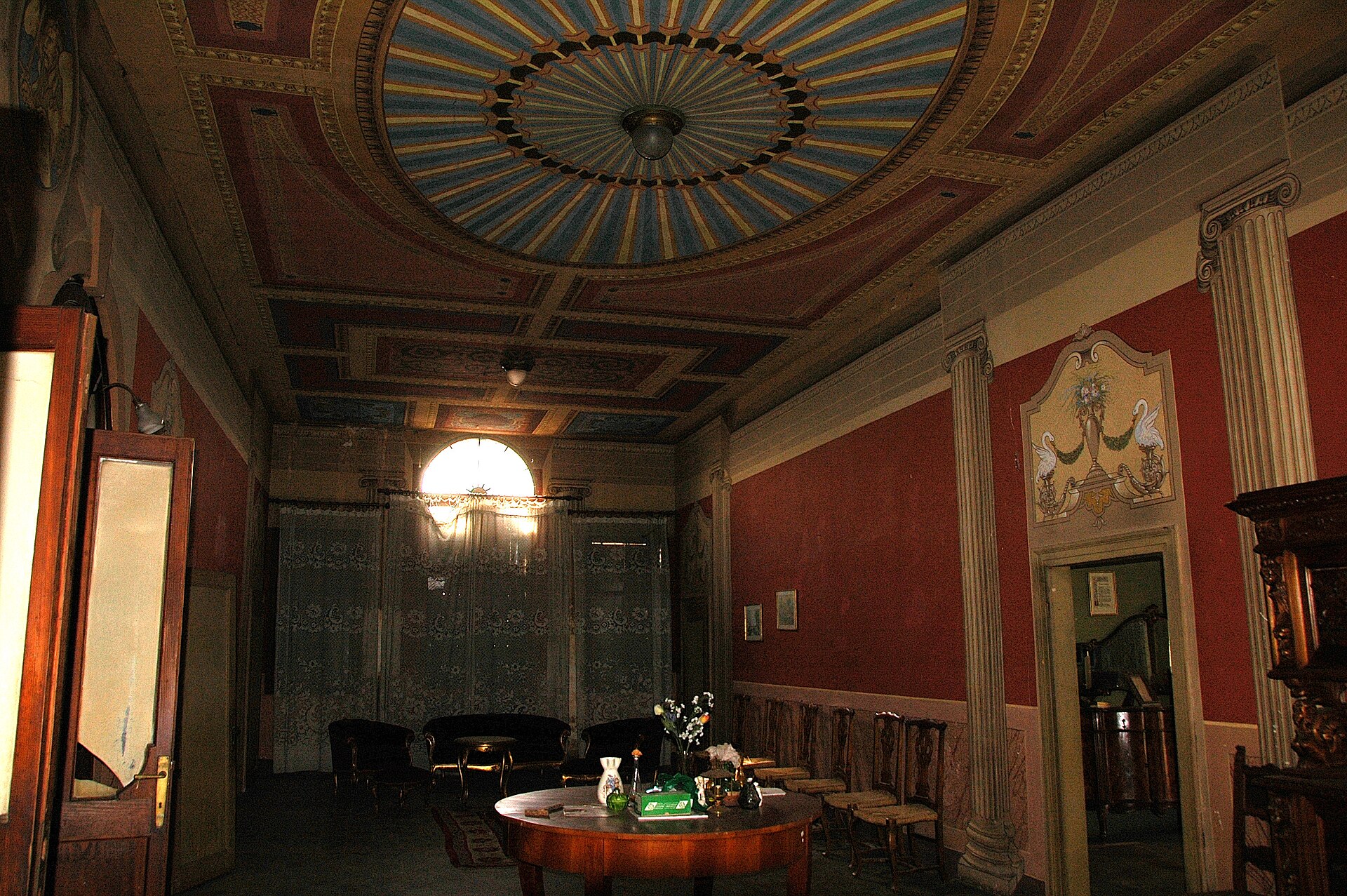
In 2014, The Italian government created "The Art Bonus", a tax incentive program where you receive a tax credit for 65% of your cash donation to help restore/maintain/enhance Italy's public cultural heritage (a museum, a monument, a site, a publicly owned villa, etc.). In essence; if you donate money towards the restoration/maintenance/enhancement of any publicly owned property/cultural attraction (for example a Venetian Villa or frescoed historic home), you will get back almost 2/3 of the amount donated as a tax credit to use when filing your taxes. This allows both citizens and businesses alike to act as patrons of their own community and ultimately aid in conserving these types of properties.
In brief
- The Art Bonus is a 65% tax credit on charitable cash donations for public cultural heritage.
- Both private individuals and businesses may donate, as well as non-commercial entities.
- The credit is recovered in three equal annual instalments, starting from the tax return for the year of the donation.
- There are different ceilings: 15% of taxable income for individuals, 0.5% (5‰) of revenues for businesses.
- It is not a building bonus: it funds cultural conservation, not private renovation.
How the Art Bonus works
The method of the Art Bonus is very straightforward. When you make a monetary contribution towards an eligible project, you receive a tax credit for 65 percent of your contribution, and this credit will reduce your taxes rather than being paid back in money; it is distributed annually as an equal split of three payments.
A simple example illustrates this clearly. For instance, if a company contributes €30,000 to restore an old wooden ceiling, they will get a tax credit for €19,500 (€30,000 x 65%) in exchange for contributing this amount; over three years at a rate of €6,500 per year; therefore the effective net cost to them would be little more than one-third of what they donated.
The main stipulation is for the patron and their project to be in line with the Art Bonus (donation) provisions; donations should be directed toward public cultural assets, and/or the public activities of publically owned entities such as museums, galleries etc. All donations are registered on a central online portal, artbonus.gov.it, providing clear visibility into both the projects funded by the bonuses, and the donors.
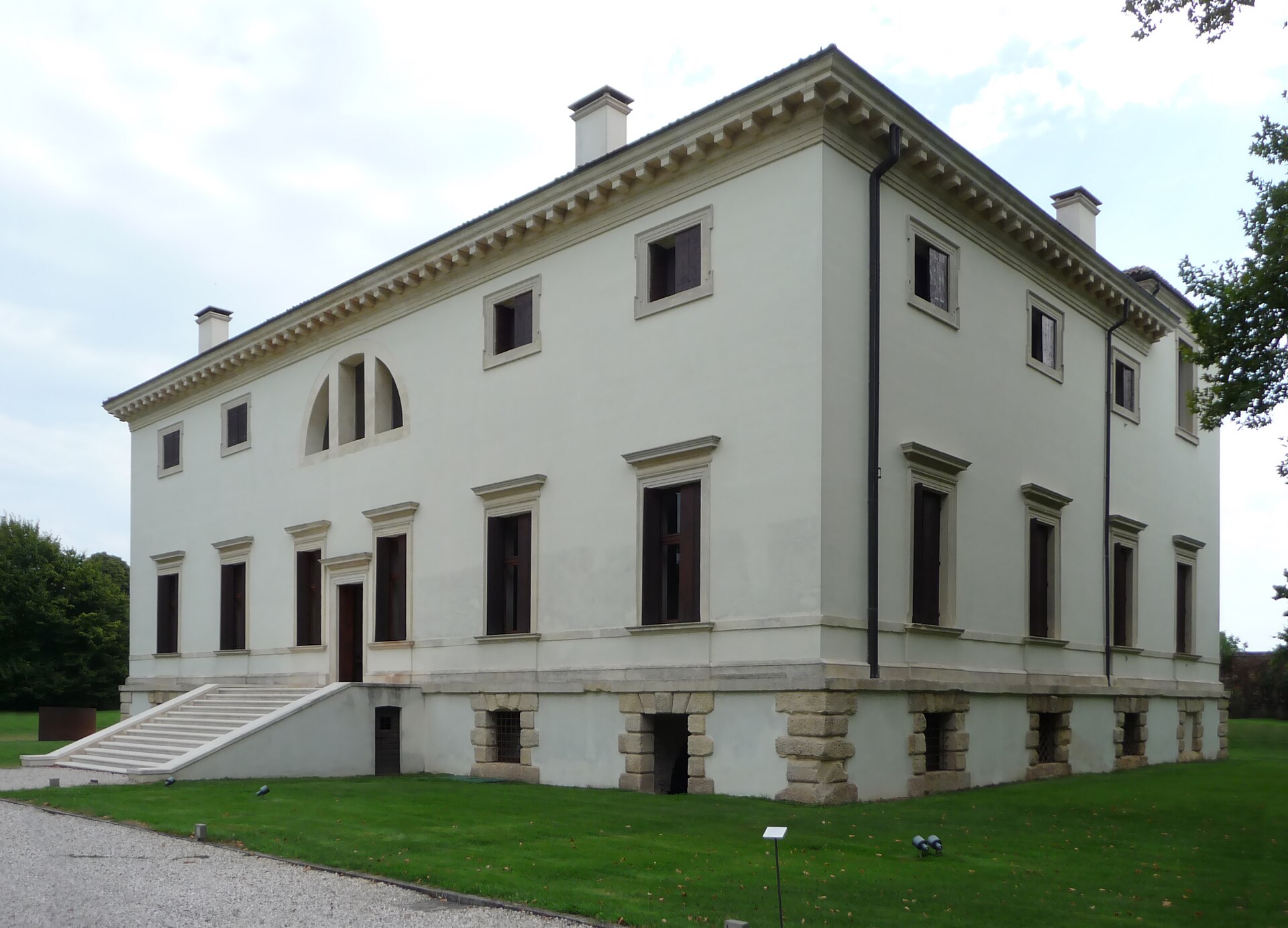
Photo: Broggiato / Wikimedia Commons — CC BY-SA 4.0
Who can donate and how much you recover
The Art Bonus is open to a broad public. It is available to:
- Private individuals (private citizens): the tax credit is allowed within the limit of 15% of taxable income.
- Entities and parties earning business income: the limit is equal to 0.5% (5‰) of annual revenues.
- Non-commercial entities, according to their own terms and limits.
In each instance the rate of benefit stays at 65%, within the established limits. What is left over from the annual payment will never be lost, as it can be carried forward for use in future years; this aspect is very beneficial, since it permits a taxpayer to claim full utilization of his credit, regardless of whether or not a single year’s tax liability absorbs it completely. The regulations regarding ceilings and carry-overs have been detailed on the official website. It would be wise for taxpayers to consult with the government’s website for such details.
Which interventions are eligible
The Art Bonus covers charitable cash donations directed, among other things, toward:
- the maintenance, protection and restoration of public cultural assets;
- the support of public cultural institutions and places (museums, libraries, archives, archaeological areas and parks, monumental complexes);
- the construction, restoration and strengthening of the facilities of public bodies or institutions dedicated to the performing arts.
The main thing — and also the cause for most of the confusion — is public ownership of the asset or public management of it. The Art Bonus funds do not include re-roofing one's own home or renovating a private property: It is a tool of cultural patronage, not a construction bonus as in the case with renovation tax deductions. In this case, direct access for your privately-owned historic villa will not automatically arise from this but will only become possible once you are working with an element that has to be connected to either the public realm or by means of public bodies and institutions whose role includes promoting its improvement. For more information and details about cases eligible for funding, we recommend checking artbonus.gov.it.
Art Bonus and the Venetian Villas: why it matters
The Venetian Villas are an extensive and delicate cultural heritage; there are over 4,000 homes throughout the regions of Veneto and Friuli, many of which have wood ceiling construction, frescoed rooms and other architectural decorations that require specialized and expensive preservation techniques. The overall goal of the public support system — from the subsidies provided by the Istituto Regionale per le Ville Venete to the Art Bonus for publically-owned properties — is to provide property owners with help in preserving this cultural heritage for future generations.
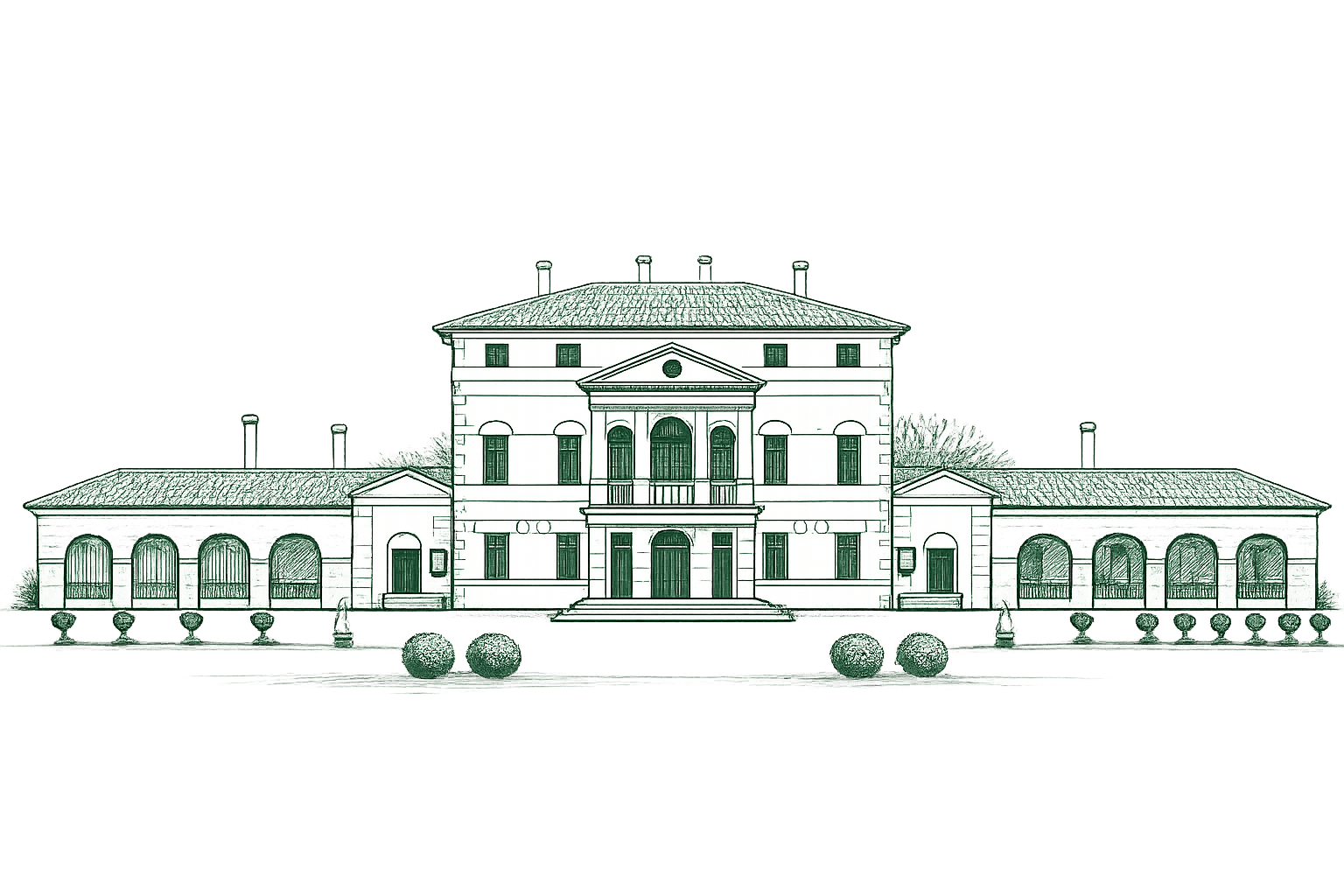
Even when a villa itself doesn't directly qualify for an Art Bonus, it shares the same reasoning behind the Art Bonus; The preservation of historical buildings is a public benefit and therefore not a private cost. This thinking frames the work being done in Villa Loredan Valier Perocco di Meduna, at Vascon di Carbonera; a primary house from the 17th and 18th century along with two arcaded barchesse (arcaded farm wings), an oratory and a frescoed hall, whose history describes the development of Venetian country villas. These types of interventions including protecting historic decorative elements and historic wood ceilings are examples of restoration projects that can be supported by funding instruments associated with patronage and cultural heritage funding.
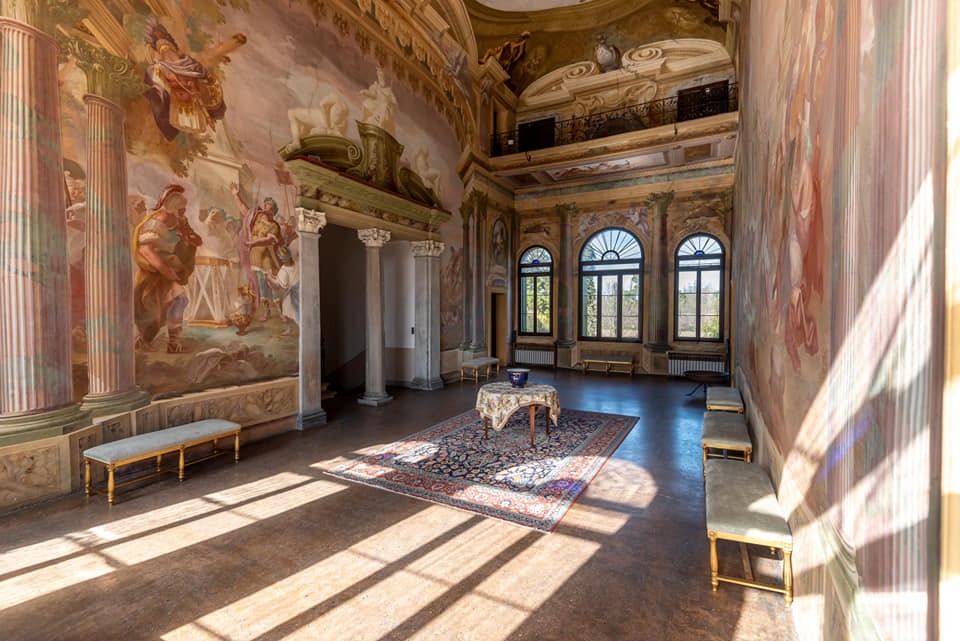
To find your way among the region's houses and learn which ones open to the public, our guide to the Venetian villas to visit is useful; further reading on conservation and on the life of the villa can be found in the diary.
Art Bonus compared with the ordinary charitable donation
Before the Art Bonus, anyone wishing to support culture could turn to the ordinary charitable donations provided for by the Consolidated Income Tax Act (TUIR), which offer a deduction or allowance of far smaller size. The difference is substantial:
| Feature | Art Bonus | Ordinary charitable donation |
|---|---|---|
| Tax benefit | 65% tax credit | Deduction or allowance, usually at significantly lower rates |
| Eligible beneficiaries | Public cultural assets and institutions | Also non-public entities and parties, under TUIR rules |
| Ceiling for individuals | 15% of taxable income | TUIR percentage limits, generally lower |
| Ceiling for businesses | 0.5% (5‰) of revenues | TUIR percentage limits/amounts |
| Use of the benefit | In 3 annual instalments, carry-forward allowed | In the year, under ordinary rules |
| Transparency | Projects published on artbonus.gov.it | No dedicated portal |
For the same donation, the Art Bonus remains by far the more advantageous: recovering 65% rather than a smaller fraction radically changes the effective cost of the gesture. This is why it has become the reference instrument of cultural patronage in Italy.
FAQ
Is the Art Bonus a tax credit, or an item that you can deduct from your income to reduce your taxable income (a deduction)? The Art Bonus is a tax credit; it is based on 65% of the amount donated and will be applied against your taxes as offsets, with each offset being one-third of the total credits per year for three consecutive years beginning with the tax return for the year in which the donation was made.
Is the Art Bonus available to an individual in their personal capacity, or is it only for a business? The Art Bonus may be claimed by both individuals and businesses as well as other non-commercial entities. The only difference relates to the percentage that will be permitted; up to 15% of taxable income will be permitted on claims made by individuals while business tax credits are limited to no more than 0.5% (or 5‰) of annual revenue.
Is it possible to restore a private villa with an Art Bonus? Not directly. The Art Bonus can provide funding for actions on public cultural heritage assets or those of which management is in the hands of public authorities. So if your restoration project involves a private house, you will have to determine whether there is a link to a publicly held asset or activity; this includes links to current rules and examples of eligible cases as they are regularly updated at artbonus.gov.it.
In summary
In Italy, The Art Bonus is the principal individual and business tool of cultural patronage: a 65 percent tax credit that creates a financial incentive to contribute toward restoration and improvement projects of public heritage. This cannot be confused with building incentives; it finances the preservation of culture (with limits and rules that are prudent to review on the official portal). The same logic - preserving heritage as a shared resource - allows us to transfer wooden ceilings, halls and decorative elements from past generations to those of the future when we restore Venetian Villas or frescoed historic homes.
Sources: Art Bonus — official portal (Ministry of Culture), Istituto Regionale per le Ville Venete (IRVV). Rates, ceilings and requirements may be updated: always check the conditions in force on the official sites before making a donation.
Would you like to see the Villa in person?
The Villa is a private residence. Visits and receptions in Vascon di Carbonera are arranged by appointment only.
Make an enquiry →