Villa Loredan ValierPerocco di Meduna
An aristocratic residenceof the Venetian Sei-Settecento.
A harmonious seventeenth-and-eighteenth-century complex, a historic garden, a park crossed by spring waters. A place where time has preserved proportion, silence and beauty.
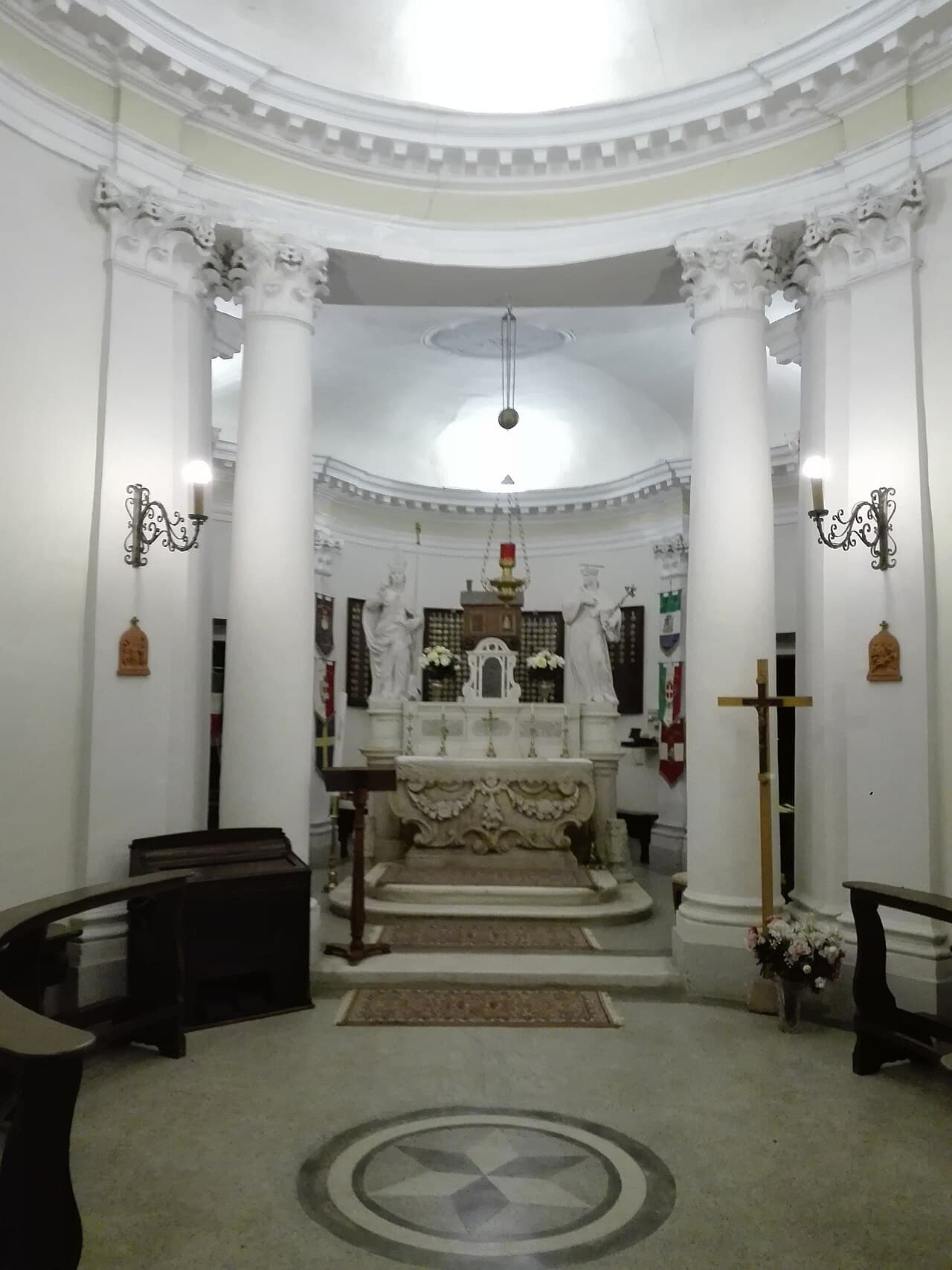
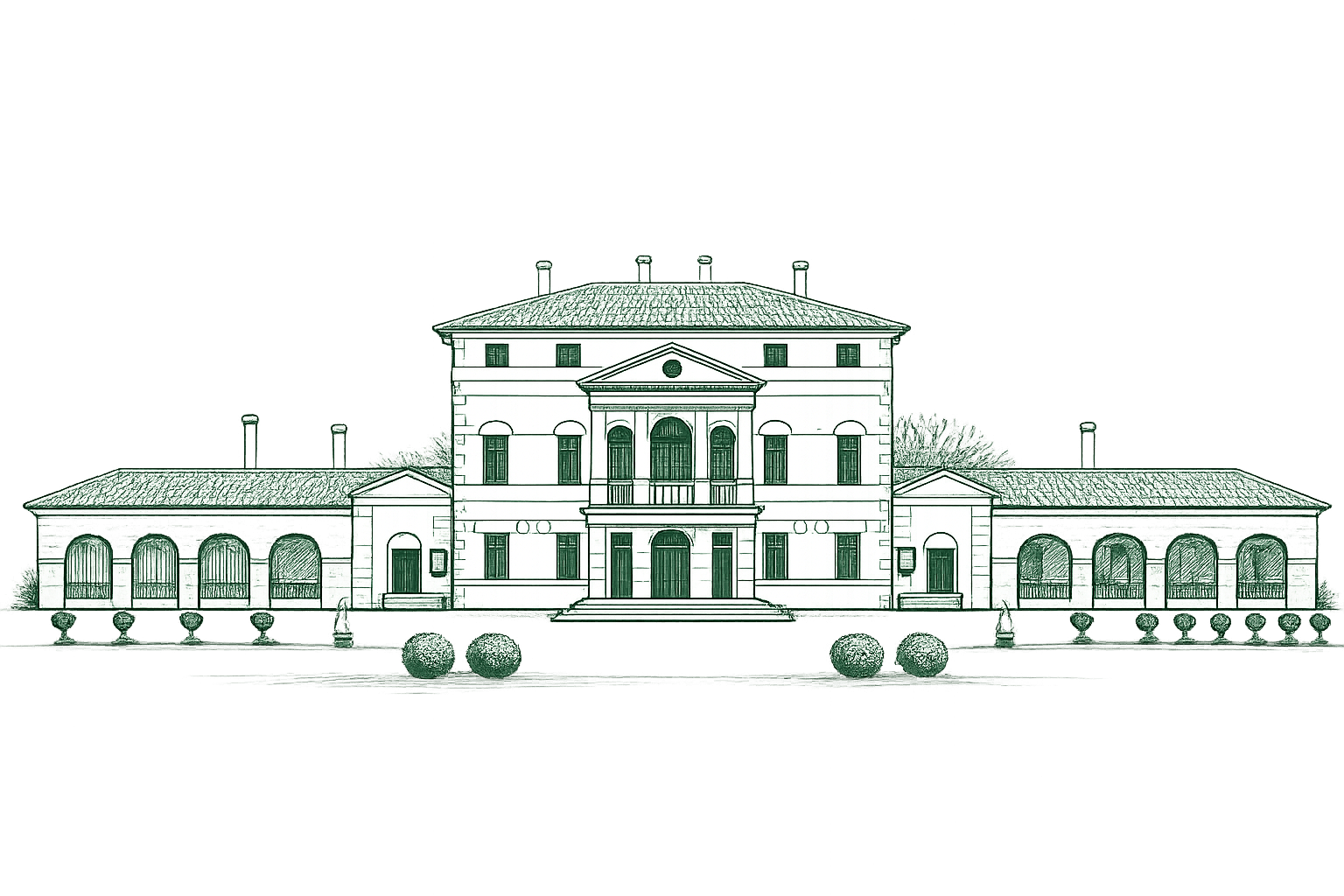
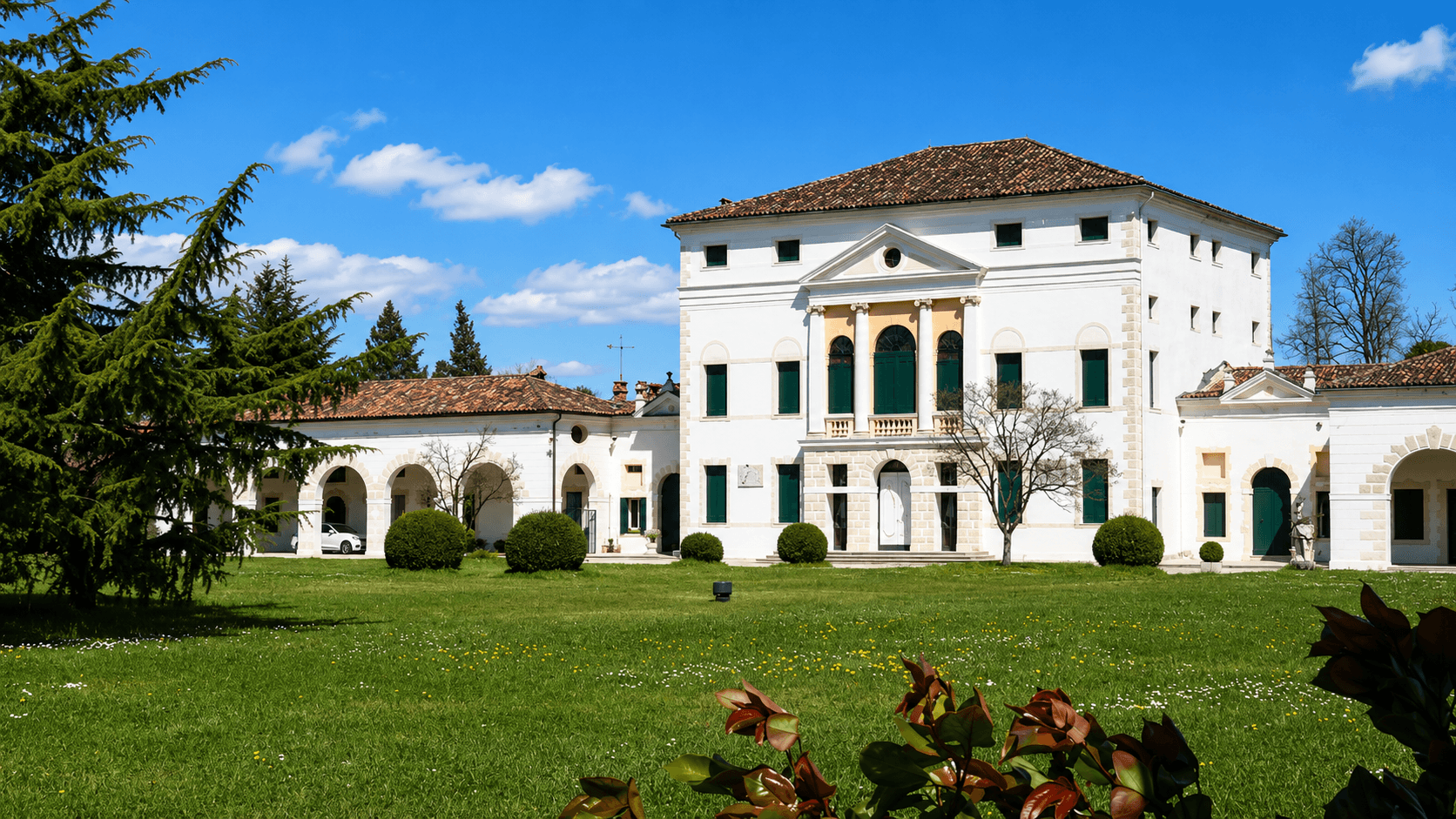
The property's roots reach back to the sixteenth century, but the complex takes its present form between the late seventeenth and early eighteenth centuries, when the Cavaliere Antonio Loredan and his brother Alvise impress upon it a rigorous Baroque imprint: a monumental manor house, two symmetrical porticoed barchesse and an oratory of great refinement. The interiors house a hall frescoed by Venetian and Emilian masters, a luminous testimony to local Baroque.
A historic residence open to selected occasions.
The villa welcomes private events, reserved receptions, corporate meetings and representative occasions in a context of absolute privacy. Frescoed halls, barns, gardens and park offer an atmosphere that unites nobility, nature and art.
Discover events→Three Loredan doges, one residence.
Since the sixteenth century three Venetian patrician houses have succeeded one another in this residence: the Trevisan of Santa Maria Formosa, the Loredan of San Vio (through the 1644 dowry of Marietta Trevisan) and the Valier in the nineteenth century. The Loredan name recalls three doges of the Serenissima: Leonardo, Pietro and Francesco.
Read the history→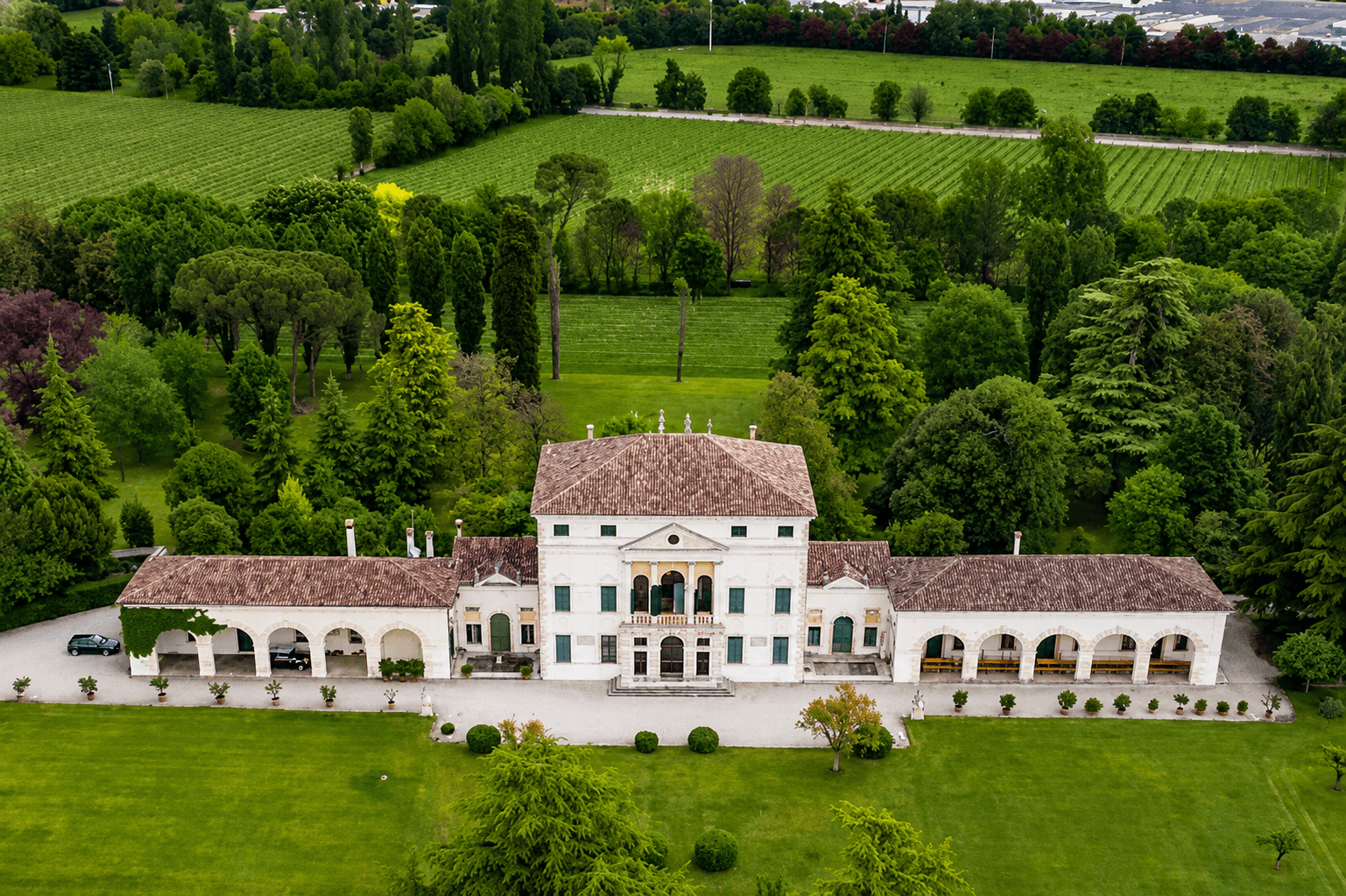
The park and the springs of the Mignagola
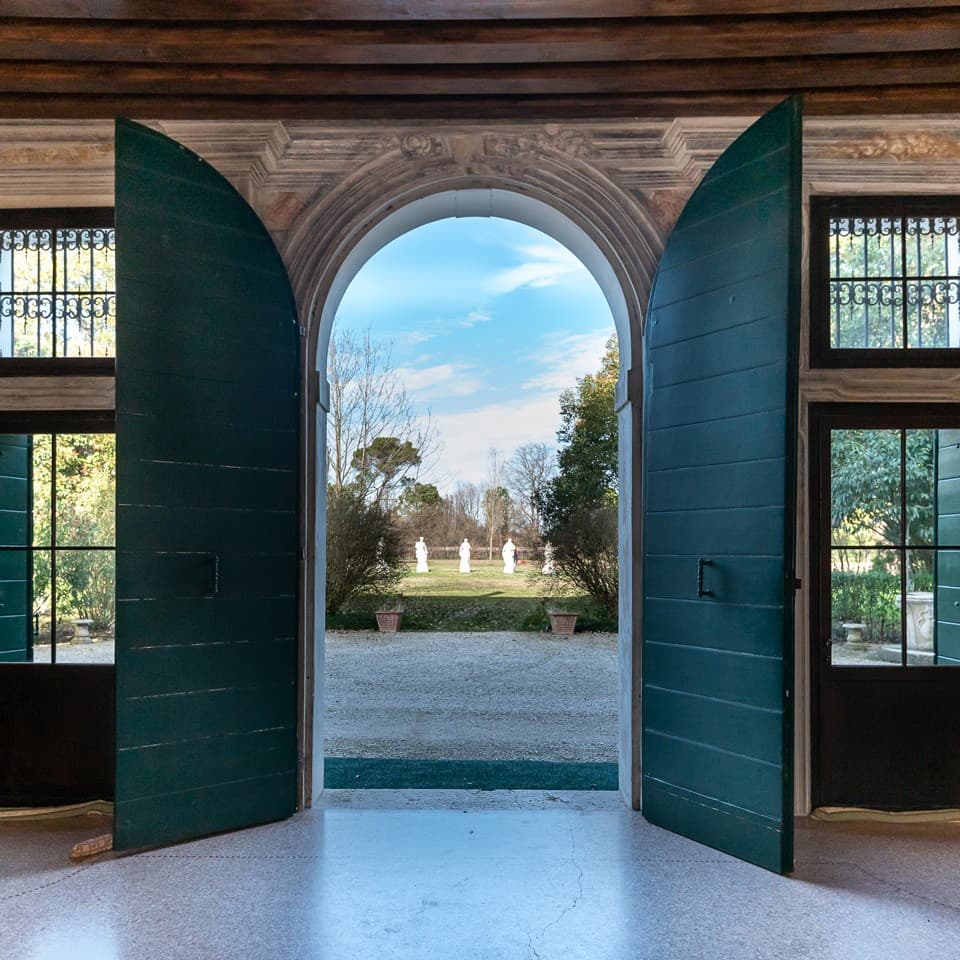
Seen from above, the villa reveals itself in full: the manor house, the two symmetrical barchesse, the eighteenth-century oratory and the walled brolo, set within an intact quadrant of Trevisan countryside. Among the trees of the park, fed by the spring waters of the Mignagola, survives a rare cycle of six allegorical statues attributed to Alvise Tagliapietra.
View the gallery→