Conservation Restoration of a Venetian Villa: What It Is and How It Works
What conservation restoration is and how it differs from renovation: diagnostics, the Soprintendenza's authorisation and the restoration of frescoes.
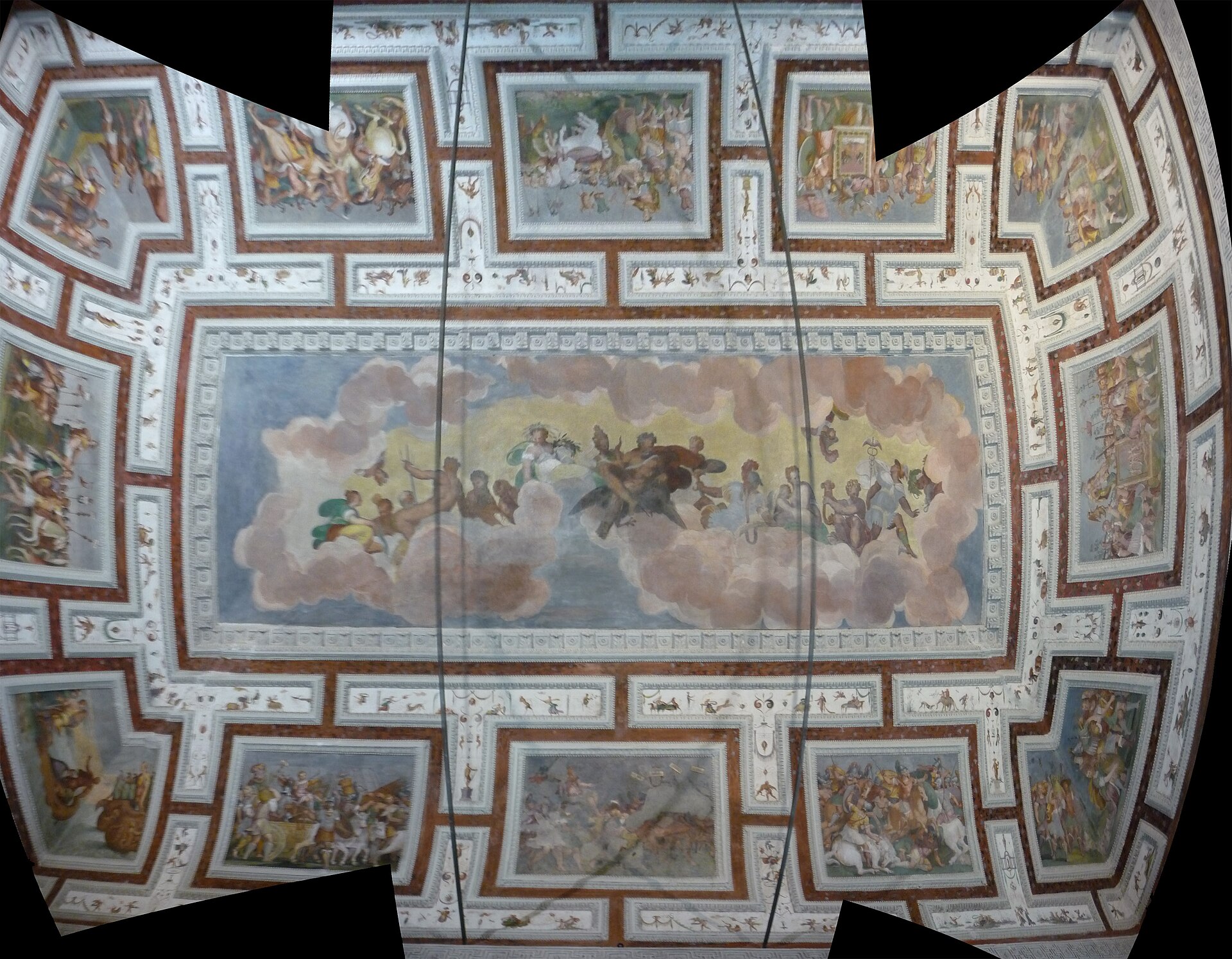
Conservation restoration is an action plan to keep a historical structure in its original construction and aesthetics; restore the damage caused by years, without creating something new or adding to what was already there. This can be compared to renovation, which would allow you to modify the structure of a house, use different materials and change the finish so it fits your needs. Restoration for conservation goes in the opposite direction: protect, consolidate and pass along to the next generation with minimal interference with what is originally there. As such, restoration for conservation of properties like Venetian villas are legally required when they have been designated as cultural heritage sites according to Italy's Code of Cultural Heritage (Legislative Decree 42/2004) AND NOT just based upon personal preference.
In brief
- Conservation restoration protects the original fabric; renovation alters or replaces it.
- On a listed asset, every intervention requires the Soprintendenza's authorisation (art. 21 of Legislative Decree 42/2004).
- The correct process always begins with diagnostics and design, not with the works.
- The indispensable figures are the qualified restorer and the architect.
- For wooden ceilings, treatment against wood-boring insects is combined with consolidation and protection.
Conservation restoration: what it really means
To conserve in the conservationist's sense is to study the building before making changes or repairs to it. All stages of degradation - from a weakened timber beam (due to woodworm), through peeling layers of paint, to falling plaster - will be recorded and treated using reversible treatments which are compatible with original materials. The goal is not for the work to appear "like new" again, but rather stabilize it, render it legible once again and slow down its continued deterioration. It is the difference between mending and reconstructing.
This approach concerns structures as much as decorated surfaces. In a Venetian villa there often coexist wooden ceilings with painted beams, halls with frescoes, stucco, terrazzo alla veneziana floors and historic fixtures: different elements, each with its own language of decay and its own methodology of intervention.
Conservation restoration vs renovation
Confusion between the two terms is common, but the implications run deep: the objectives, the authorisations, the professionals and the effect on the building all change.
| Aspect | Conservation restoration | Renovation |
|---|---|---|
| Objective | Conserve and consolidate the original fabric | Adapt, modernise or transform the property |
| Effect on the original | Minimal intervention, reversible techniques | May replace materials, finishes and layout |
| Authorisations | Soprintendenza authorisation on listed assets (art. 21) | Ordinary (municipal) building permits |
| Who carries it out | Qualified restorer + architect, under heritage protection | Building firm and designer |
| Reversibility | A fundamental requirement | Not required |
On a protected asset, unrestricted renovation is not permitted: any intervention affecting the historic fabric must respect the criteria of conservation and be approved in advance.
The process, step by step
1. Diagnostics and preliminary design
No important project starts with works. The project will begin with knowledge, in order to carry out the preliminary study (survey), to investigate the condition of preservation (mapping of decay and causes), to analyze materials and causes of deterioration (dampness caused by rising damp, infestation, weathering). From this there will be the restoration design, including a technical report, methodology, bill of works and a schedule for execution. It is at this stage where an owner can easily want to go directly into executing the work to save on cost; however, it is precisely this phase that provides protection to the building — and ultimately your financial investment.
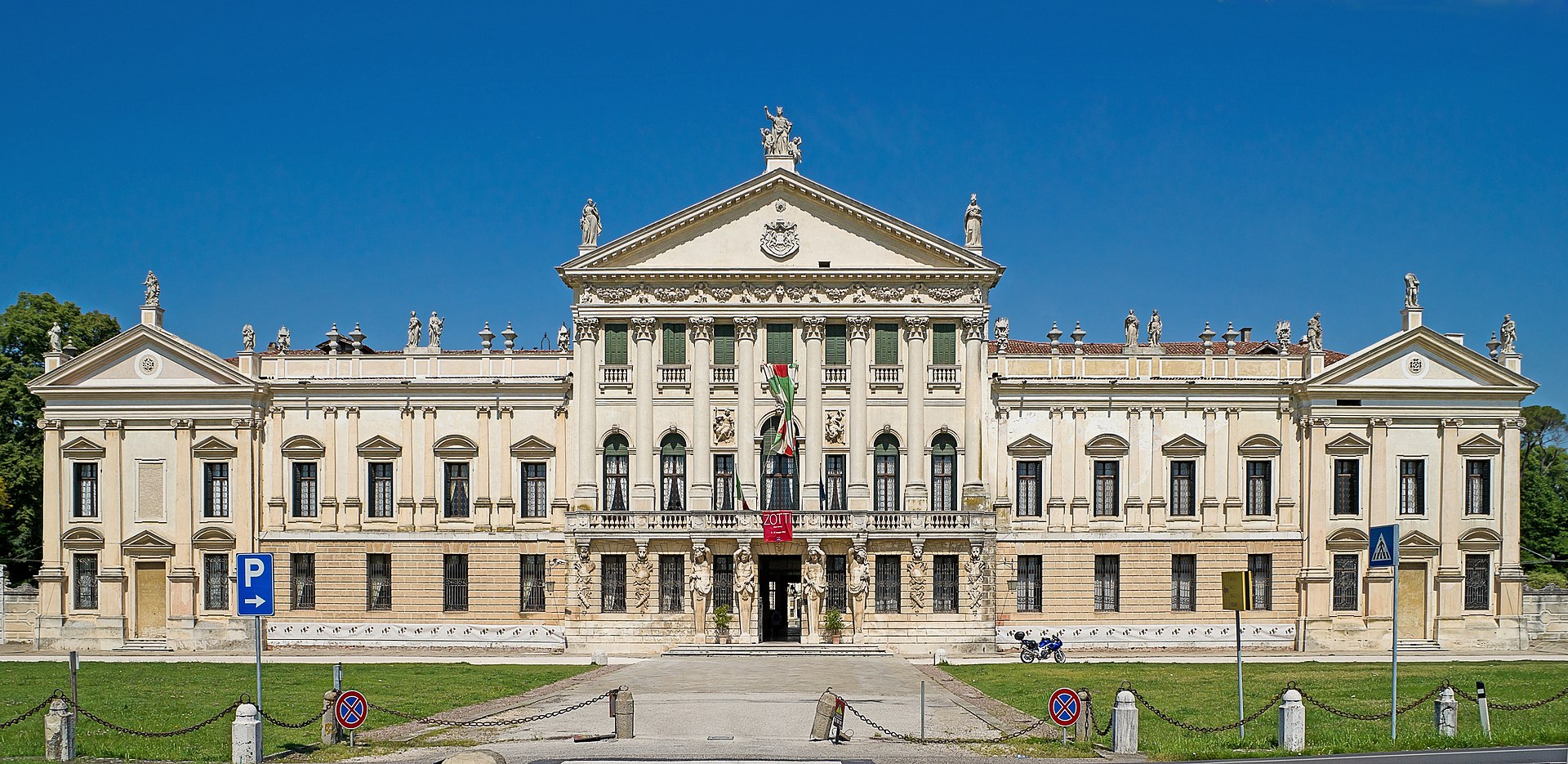
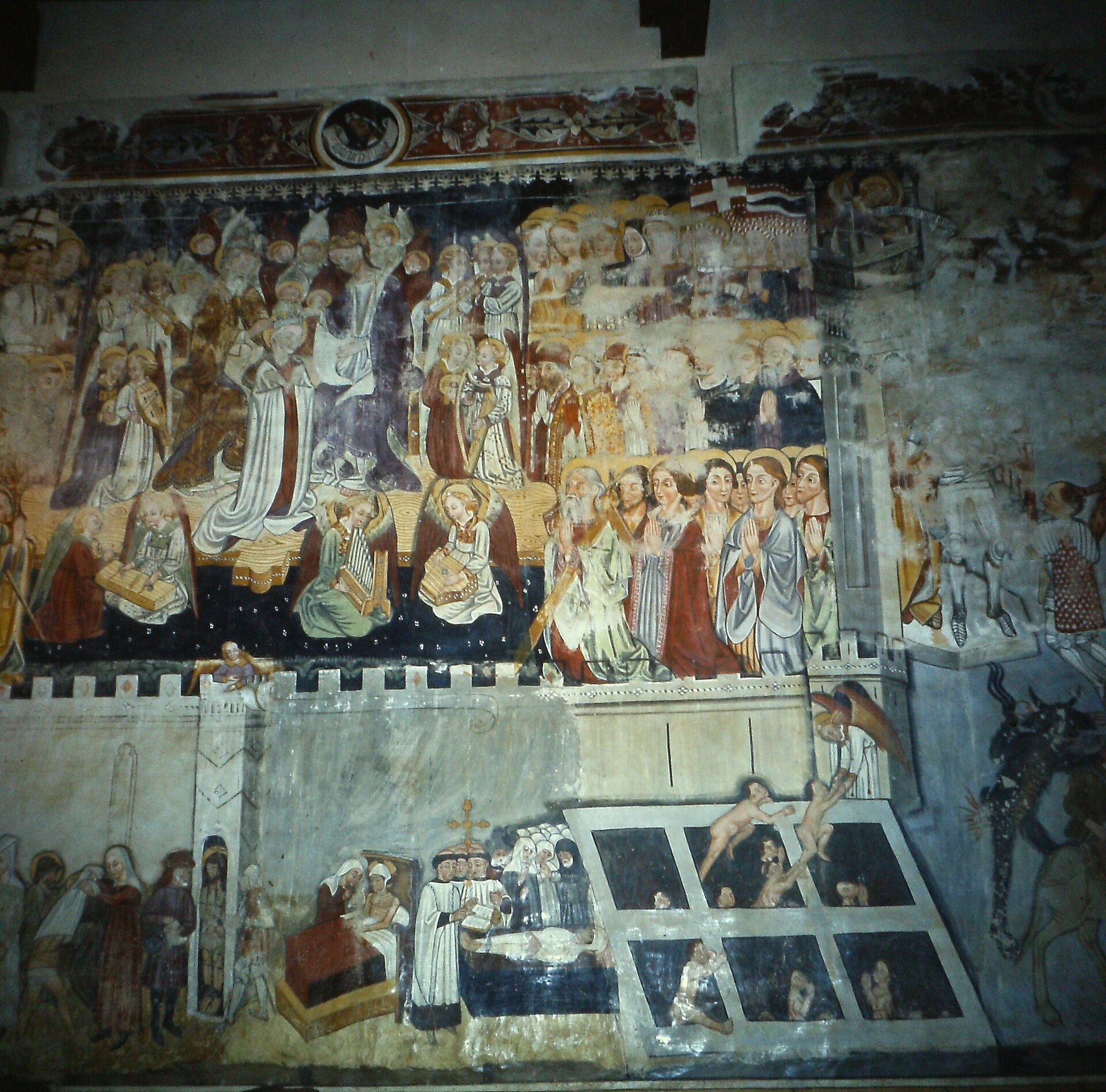 Photo: Francesco Rosina / Wikimedia Commons — CC BY-SA 4.0
2. The Soprintendenza's authorisation
All interventions in cultural property are subject to the approval of the competent Soprintendenza for the territory in question (article 21, Legislative Decree 42/2004). The project will be submitted, evaluated and approved upon compliance with general principles of preservation of heritage; any conditions shall be stipulated. This is an essential stage: unauthorized restoration or modification to a protected asset may incur penalties as well as the obligation to restore it to its original condition.
3. Conservation of historic wooden ceilings
Wooden structures are some of the most at risk from decay; it is essentially two fold, first there is the insect infestation (also known as "woodworm") that bores into the wood, thereby weakening the structure, secondly there is a degradation of the bond between individual fibers. Thus a proper response involves not simply treating pests, but rather an operation of preservation: both curative and preventative treatments to remove insects, stabilization or consolidation of weakened components and protection of the original material, thus preserving historical beams and boarding in place as much as possible while avoiding replacement.
4. Fresco restoration
Restoration of frescoes is based on an established sequence of actions: cleaning, in order to eliminate all the deposites, overpaintings and varnish alterations which may have dimmed the colors; consolidation, for reconnecting the separated paint layers and plaster to the supporting wall; finally pictorial reintegration, consisting in connecting the missing parts by means of reversible and recognizable methods (such as rigatino or chromatic selection) without inventing what has been lost. The main criterion is that of distinguishability: the interventions carried out during restoration must always be easily readable and must never alter or distort what originally existed.
The figures involved
Conservation restoration is teamwork among qualified professionals:
- Qualified cultural heritage restorer: works directly on the decorated surfaces and historic materials, according to their recognised professional profile.
- Architect (or works director): coordinates the design, the dealings with the Soprintendenza and the direction of the site.
- Diagnosticians and laboratories: provide the analyses that guide the technical choices.
None of these competences can be substituted by a generic building firm: the difference between a restoration and a rebuild lies precisely here.
The example of Villa Loredan
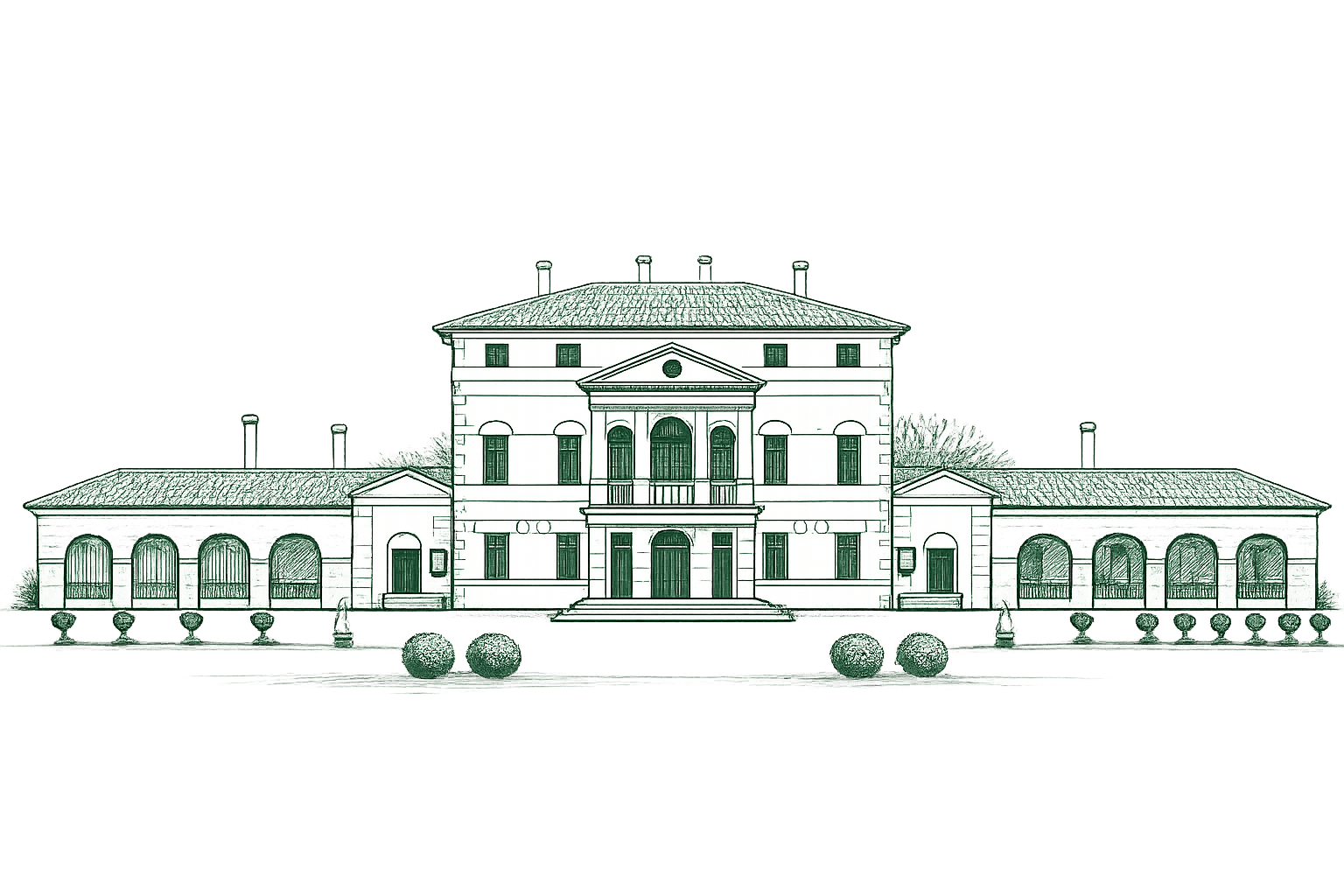
Villa Loredan Valier Perocco di Meduna, at Vascon di Carbonera (TV) presents all the classical components of a Conservation Project: a Frescoed Hall, Historic Wooden Ceilings and Eighteenth-Century Oratory. Because of its nature, any work on an asset such as this will be treated with a conservation approach - Treatment for Wood-Boring Insects and Consolidation of the Wooden Structures, Diagnostics and Restoration of the Frescoes - and will always go through Design and Authorisation from Heritage Authorities. The history of the villa recounts the layers that a restoration has to be able to read; Interventions of this size are often supported by dedicated instruments as described in the Guide to the Art Bonus for the Venetian Villas.
FAQ
What is conservation restoration? It is the intervention that conserves and consolidates the original fabric of a historic building, repairing the damage with reversible and compatible techniques, without replacing or transforming what is authentic. On a listed asset it is governed by the Code of Cultural Heritage and requires the Soprintendenza's authorisation.
What is the difference between conservation restoration and renovation? Renovation alters the property to adapt it to new uses, and may replace materials and finishes; conservation restoration protects the original with the least possible intervention. The former follows ordinary building permits, the latter — on protected assets — the authorisation of the Soprintendenza.
Is the Soprintendenza's authorisation always required? Yes, for properties of cultural interest. Article 21 of Legislative Decree 42/2004 makes every intervention on the historic fabric conditional on the prior approval of the competent Soprintendenza. Proceeding without authorisation is unlawful and carries penalties.
In summary
Restoration of a Venetian villa for conservation purposes is neither renovation nor maintenance; it involves diagnostics followed by permission from the Soprintendenza (the authority responsible) and entrusting the responsibility of restoring and caring for both the ceiling woodwork and frescoes to a qualified conservator/restorer, as well as an architect. The single goal is to pass on the original to generations yet unborn. If you are interested in visiting this site or learning more about the complex, you can contact the villa or check out some of our additional guides in the Diary.
Sources: Legislative Decree No. 42 of 22 January 2004 — Code of Cultural Heritage and Landscape (Normattiva), Soprintendenza Archeologia, Belle Arti e Paesaggio for the provinces of Padua, Treviso and Belluno, Istituto Regionale per le Ville Venete (IRVV). Authorisation procedures may vary: always check with the Soprintendenza with territorial jurisdiction.
Would you like to see the Villa in person?
The Villa is a private residence. Visits and receptions in Vascon di Carbonera are arranged by appointment only.
Make an enquiry →