Venetian Stucco: What It Is, the Technique and Where to See It
What Venetian stucco is: the difference between the decorative stucco of the villas and marmorino, the lime-and-marble-dust technique, and where to see it.
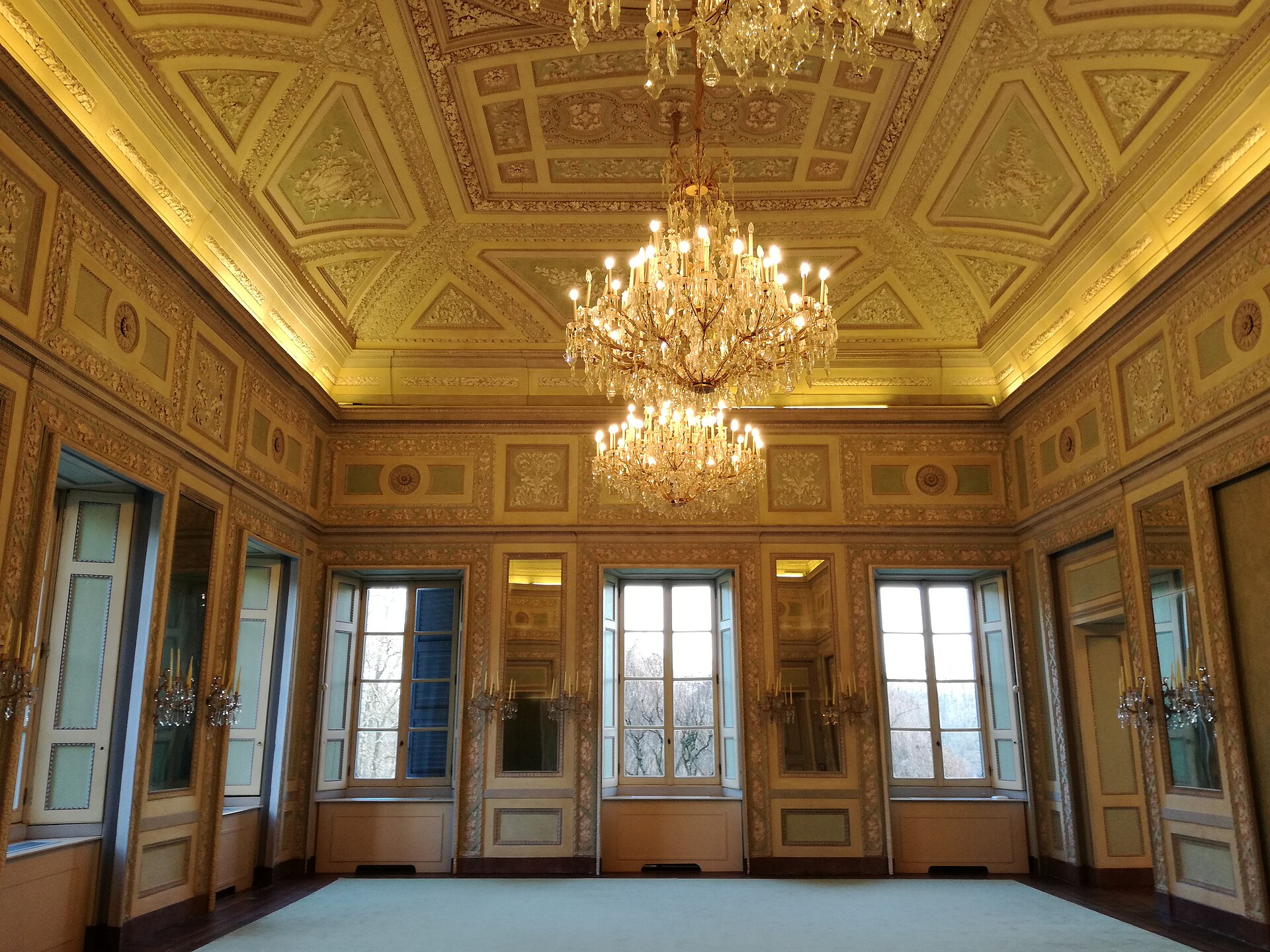
VENETIAN STUCCO, in fact refers to two different types of finishes - a common confusion exists with regard to these two types. One type consists of decorative stucco (the reliefs, cornices, cartouches, festoons, cherubs etc.) surrounding the frescoes of Veneto villas and palaces. The second type is called "Venetian Stucco" or Marmorino; it is a very shiny, glossy wall finish made up of lime and marble dust - much like polished marble. Each have their origin in the same material: Lime, which can be both humble & noble - however each are suited for separate uses. It will help us see the interior of a Venetian Villa without confusing the finish with the relief when we understand how to distinguish between them.
In brief
- "Venetian stucco" covers two meanings: decorative stucco (reliefs) and Venetian stucco / marmorino (a glossy wall finish).
- Decorative stucco is plastic and three-dimensional: cornices, cartouches, festoons and cherubs framing the frescoes.
- Marmorino is flat and glossy: thin layers of lime and marble dust, smoothed with a trowel until they imitate marble.
- Both are based on lime and marble dust, materials of the Venetian tradition.
- They are seen in the interiors of Venetian villas: ceilings, halls and the walls of the piano nobile.
What decorative stucco is
Decorative stucco is an easily shaped mixture of marble dust, lime putty and sometimes gypsum; the craftsman molds decorative stucco into relief when it's still soft and once it dries, becomes solid relief shapes in either white or gold: reliefs of cornice moldings at the top of ceilings, reliefs surrounding paintings (cartouche/medallion), festoons of flowers and fruit as well as the famous cherub (a small angel with wings) - small winged figures that appear to be leaning from a wall. Stucco was used for most decorations in a Venetian villa; it framed, accompanied and enhanced frescoes by combining painting and relief together creating that unique combination found in interior spaces during the 17th & 18th centuries.
In the seventeenth and eighteenth centuries, these works were executed by the stuccatori; that is, specialized craftsman, who were most commonly recruited from the Lombard lakes or the Canton Ticino. The stuccatori operated throughout the Veneto during this time with projects including both mainland dwellings as well as palaces in Venice. Taste shifted from late-Renaissance restraint through Baroque extravagance, onto Rococo's unbalanced but airy nature and finally to Neoclassicism's orderly severity.
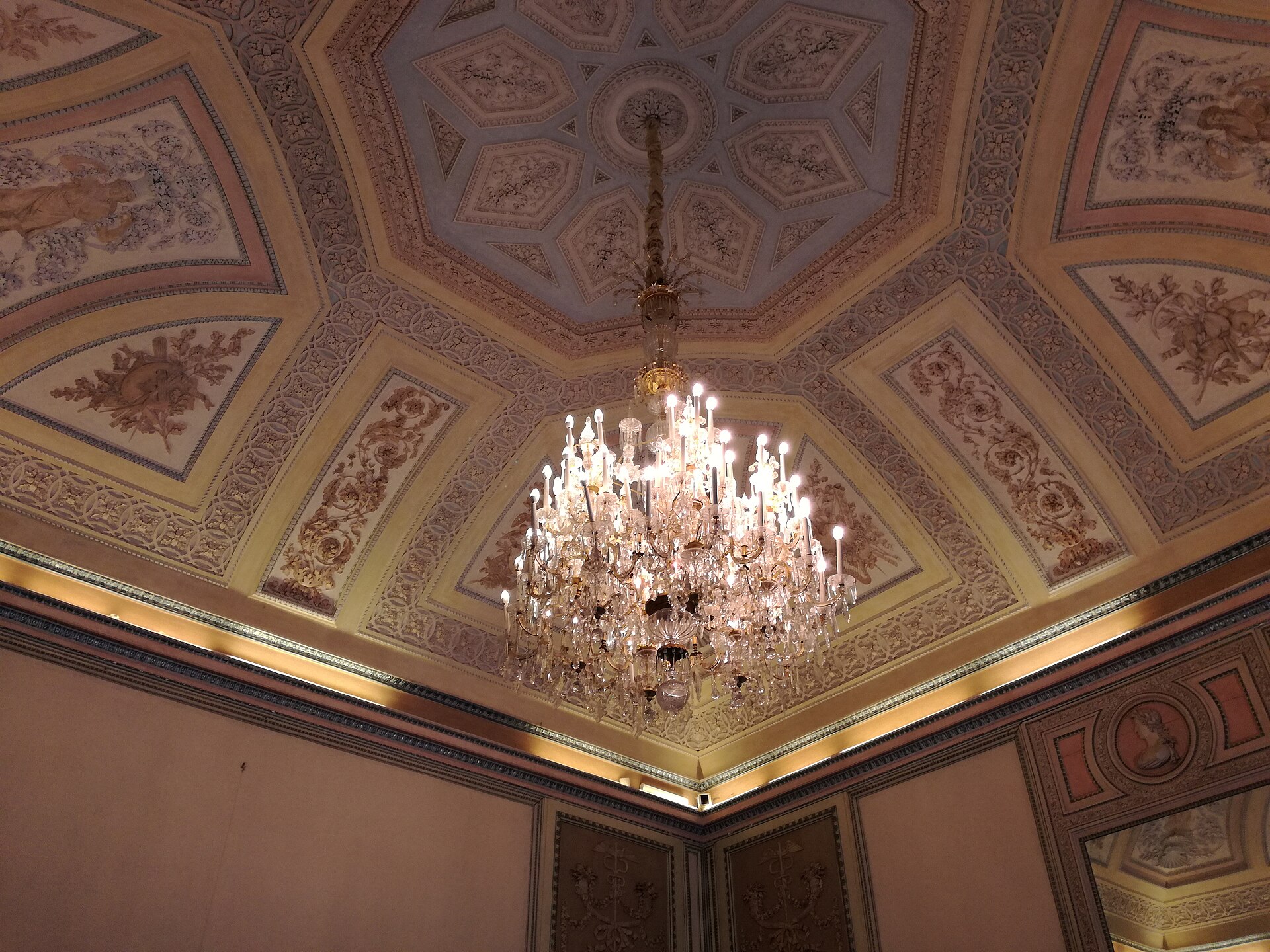 Photo: Carlo Dell'Orto / Wikimedia Commons — CC BY-SA 4.0
What Venetian stucco (marmorino) is
VENETIAN STUCCO, ALSO KNOWN AS MARMORINO IS A FINISHING MATERIAL AND NOT RELIEF, WHICH IS OBTAINED BY SPREADING VERY THIN LAYERS OF SLAKED LIME MIXED WITH FINE MARBLE DUST ONTO WALLS WITH TROWEL OR FLOAT. EACH LAYER IS COMPRESSED THEN SMOOTHENED & POLISHED (THE SO CALLED BURNISHING) UNTIL A COMPACT SURFACE IS CREATED THAT FEELS SOFT TO TOUCH AND SHINY, LIKE IT WAS CARVED FROM POLISHED MARBLE. ADDITION OF MINERAL PIGMENTS PRODUCES THE CHARACTERISTIC VEINS & WARM COLORS WHILE THE FINAL COATING OF WAX MAKES THIS PRODUCT MORE RESISTANT TO HUMIDITY
VENETIAN STUCCO OR MARMORINO has an old history and originated with the Roman use of lime plaster. In a city built on water like Venice, this was the perfect method to get the marble look without using heavy marble slabs that could damage its foundation. For these reasons, today Marmorino is sold all around the world as "Venetian Stucco", a lime-based finish.
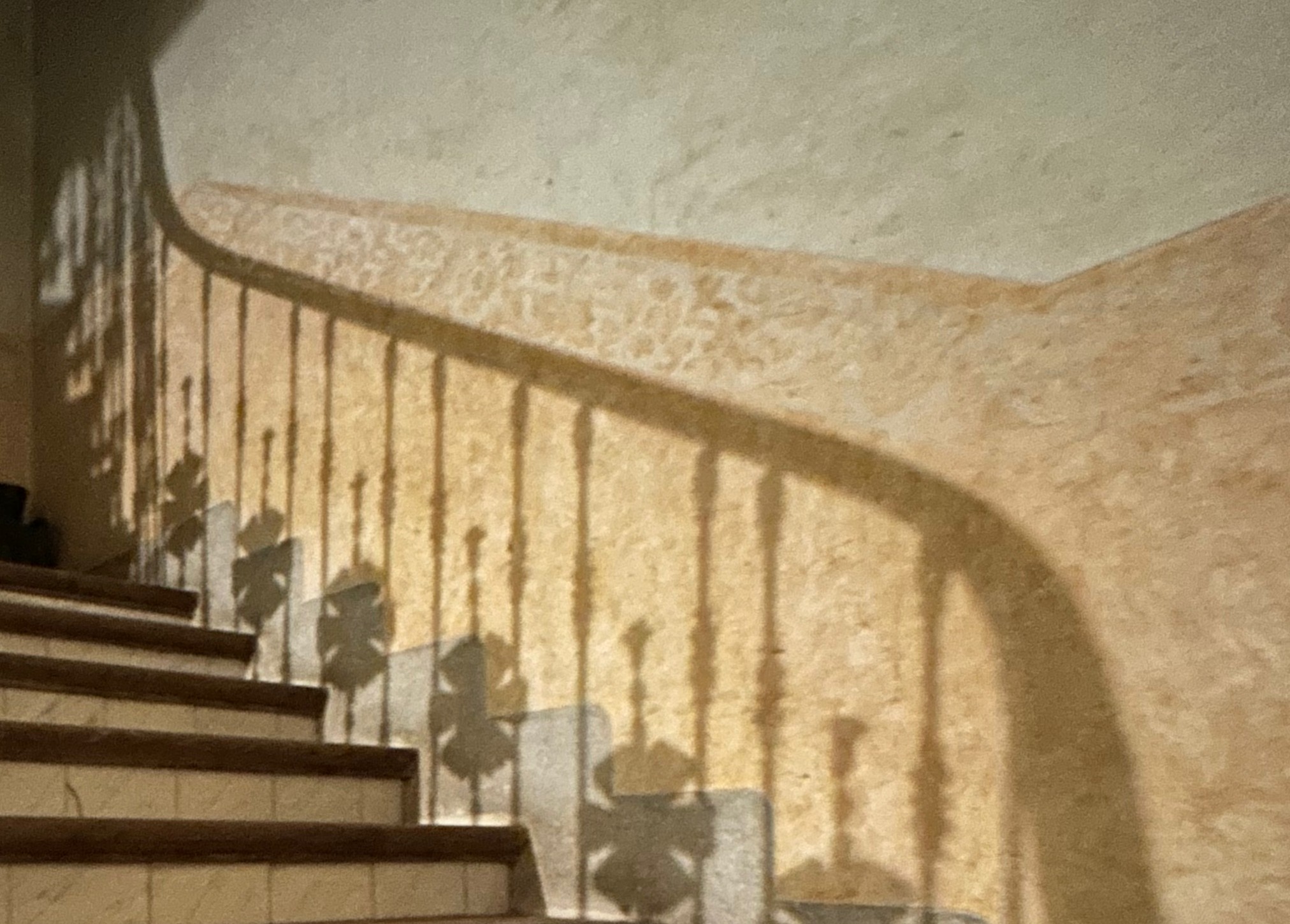 Photo: CamillaStrong / Wikimedia Commons — CC BY-SA 4.0
Decorative stucco or marmorino: how to tell them apart
The practical difference is simple: one projects, the other is flat. Decorative stucco is plastic and casts shadows; marmorino is a continuous, reflective surface. Here is a concise comparison.
| Type | What it is | Where it is seen |
|---|---|---|
| Decorative stucco (plastic) | Reliefs modelled in lime and marble dust: cornices, cartouches, festoons, medallions, cherubs. Three-dimensional, often white or gilded | Ceilings and walls of the halls of Venetian villas, framing and accompanying the frescoes |
| Venetian stucco / marmorino | A smooth, glossy wall finish, in thin layers of lime and marble dust, trowelled to imitate marble | Walls of the piano nobile of villas and palaces, Venetian interiors; also in fine contemporary building |
Where to see stucco in the Venetian villas
Stucco is ideally suited for use on the internal surfaces of the principal reception areas (piano nobile): specifically, it can be used to create reliefs in the central corridor; decorate the ceiling of the corner chambers; embellish the state rooms; complement frescoes within an area as well as being part of a large-scale wall treatment. This fragile material is at risk from dampness and deterioration which demands a careful and reversible conservation restoration — lime cannot accept improvisation when repairing historic stucco.
You can visit them in person by including them as part of your itinerary among the Venetian villas to visit: many houses are open with their frescoed and stuccoed halls, during specific days. The frescoed hall and the historical rooms of the main house, whose fortunes between 17th and 18th century are recounted in the history of the villa, are preserved at Villa Loredan Valier Perocco di Meduna at Vascon di Carbonera among the Villas of Treviso Countryside.
FAQ
What is the difference between Venetian stucco and marmorino? In reality they mean the same thing, marmorino being the old name for the technique and Venetian stucco being the most common, also commercialized, term to indicate the glossy finish on walls made from lime and marble dust that looks like polished marble. Do not confuse this with decorative stucco (relief in plastic).
What is stucco made of? The base material is lime (slaked lime putty) mixed with the finest marble dust; gypsum, sands, mineral pigments and, for the finish, wax may be added. It is a traditional mixture that hardens slowly through the carbonation of the lime.
How do you recognise decorative stucco in a villa? You recognise it because it projects from the surface: cornices, festoons and cherubs cast shadows and run around the painted scenes. They are generally white or gilded and frame the frescoes of the ceiling and walls.
In summary
Two uses for lime are called Venetian stucco: decorative stucco (the relief borders on the frescoed walls of villas) and marmorino-Venetian stucco (the polished wall finish resembling marble). Decorative stuccos are three-dimensional and plastic while Marmorino/Venetian Stucco have a flat reflective quality. Knowing how to distinguish one from the other is key to being able to read a true interior space of a Venetian villa and, subsequently, conserving it with care using products as similar in composition to those used by the original craftsman.
Sources: Treccani, "stucco", Wikipedia, "Marmorino", Istituto Regionale per le Ville Venete (IRVV). The photographs illustrate stucco decoration and marmorino finishing techniques in a general way and do not refer to any specific villa; always check official sources for the attribution and dating of individual works.
Would you like to see the Villa in person?
The Villa is a private residence. Visits and receptions in Vascon di Carbonera are arranged by appointment only.
Make an enquiry →