Map of the Palladian Villas: Where to Find Them in the Veneto
Map of the Palladian villas in the Veneto: where they are, area by area — Vicenza, Treviso, the Riviera del Brenta and Padua — and how to plan your itinerary.
When you start searching for a map of the Palladian villas, you realize there are actually four separate areas in the Veneto Region, and no one location to go to. Because Andrea Palladio worked as an architect for many different clients, each of their villas along with those built by his successors (i.e., the heirs) can be found in either the Vicenza area, the Treviso area, the Riviera del Brenta or the Padua area. Knowing where they are will give you a good base for creating an itinerary that makes sense and does not have you going back and forth all over the area. In this guide we provide information on locations grouped geographically by area so you can see which ones make the most sense to group into 1-2 days travel.
In brief
- The Palladian villas cluster in four areas: Vicenza, Treviso, the Riviera del Brenta and Padua.
- Around Vicenza stand La Rotonda and Villa Godi; it is the geographic heart of Palladianism.
- In the Treviso area are Villa Barbaro (Maser) and Villa Emo (Fanzolo), the most famous for their frescoes.
- On the Riviera del Brenta La Malcontenta at Mira stands out; in the Padua area, Villa Cornaro at Piombino Dese.
- It pays to think by area: each one is well covered in half a day or a full day.
Where the Palladian Villas Are: The Map by Area
In no way are the twenty four Palladian Villas, that are listed on the UNESCO World Heritage Site and attributed to Palladio randomly located; instead, they follow the natural path of the Venetian Mainland's rivers and roads along which many noble families have chosen to invest in farming. Below is an organized table listing the primary villas by region, allowing you to quickly identify areas of interest for your trip.
| Area | Main villas | Municipality/Province |
|---|---|---|
| Vicenza area | Villa Almerico Capra "La Rotonda", Villa Godi Malinverni, Villa Valmarana Bressan, Villa Pisani (Bagnolo) | Vicenza, Lugo di Vicenza, Monticello Conte Otto, Lonigo (VI) |
| Treviso area | Villa Barbaro, Villa Emo | Maser, Fanzolo di Vedelago (TV) |
| Riviera del Brenta | Villa Foscari "La Malcontenta" | Mira (VE) |
| Padua area | Villa Cornaro | Piombino Dese (PD) |
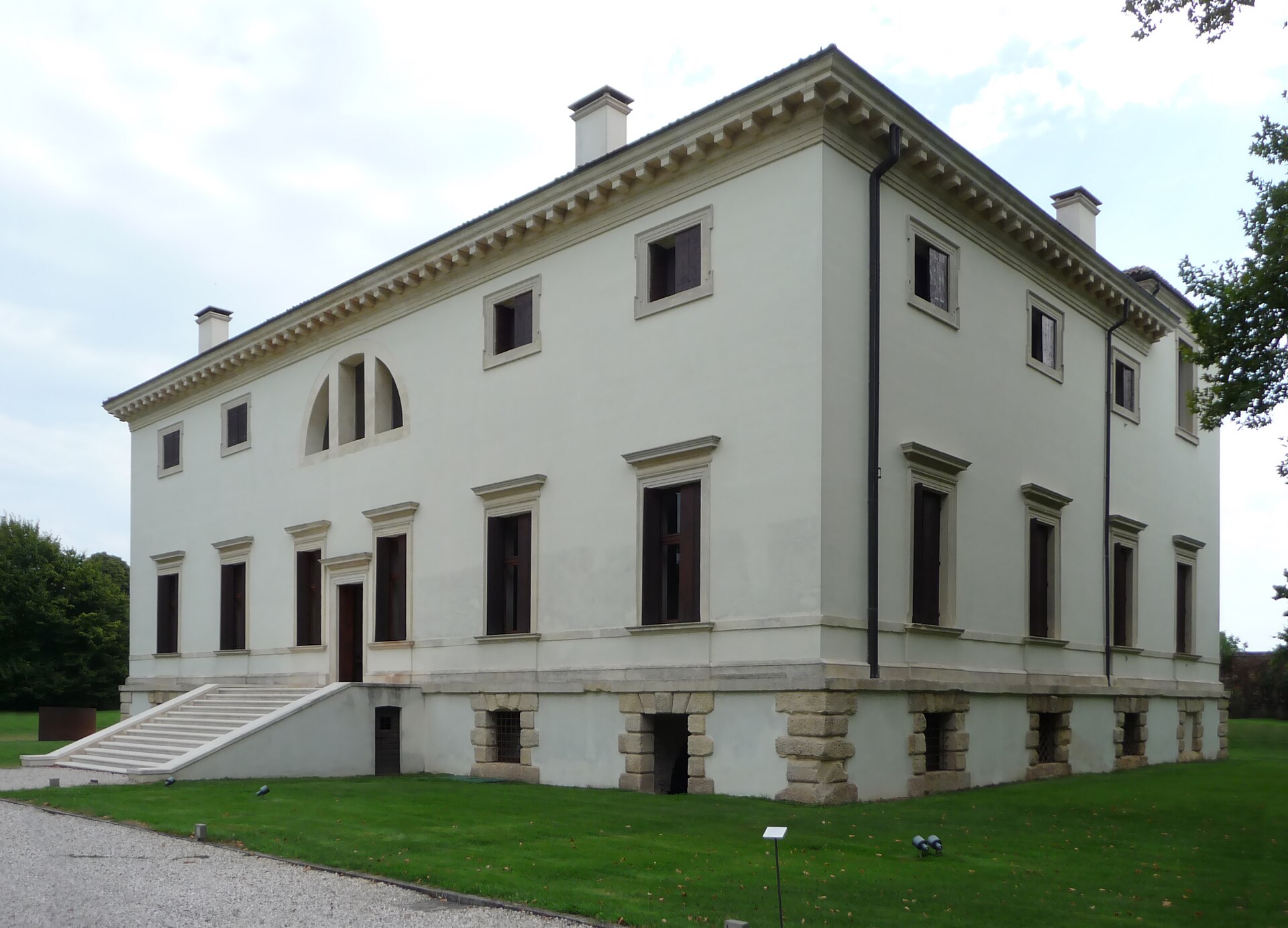
Photo: Quinok / Wikimedia Commons — CC BY-SA 4.0
The Vicenza Area: The Heart of the Palladian Villas
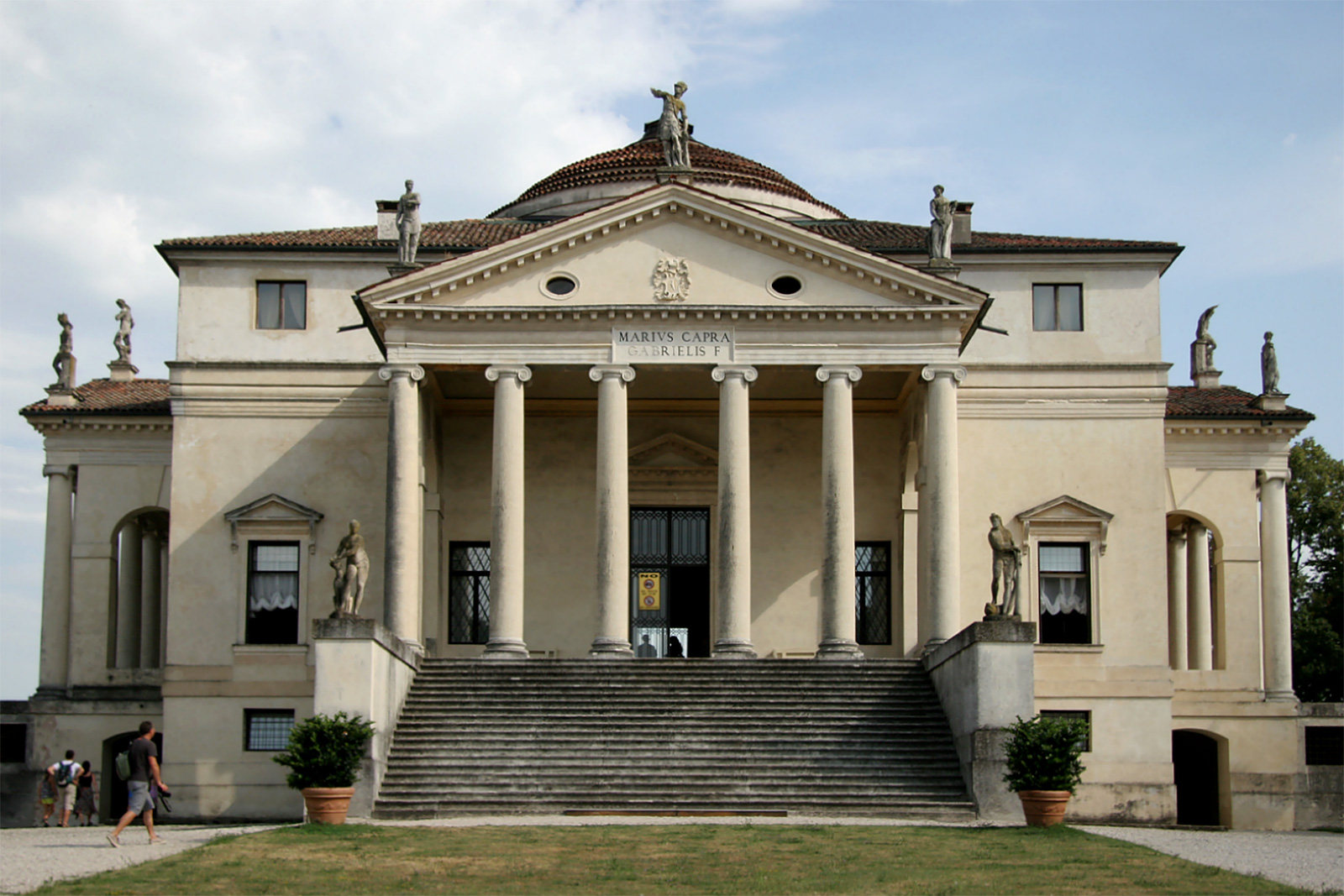
Vicenza is Palladio's city, and La Rotonda (Villa Almerico Capra) is the best-known villa of all — located just minutes from the center of Vicenza. Its symmetrical, central design plan and four identical porticoes each looking out over the surrounding landscape make this stop one nearly every visitor makes first upon arriving in the Vicenza area; alone, it would be worth traveling to see.
You can easily visit the Villa Godi Malinverni at Lugo di Vicenza, located near to the first hills, and it is considered Palladio's first villa that includes a significant cycle of frescoes. Additionally there are many examples of Palladian architecture throughout the town including; the Basilica and the Teatro Olimpico which both were included on the same UNESCO World Heritage Site as well. Since everything within this area is so close together, and the concentration of masterpieces is the highest in the region, you will be able to spend your entire day visiting these works of art if you wish to do so for only one day in this region.
The Treviso Area: The Frescoed Villas
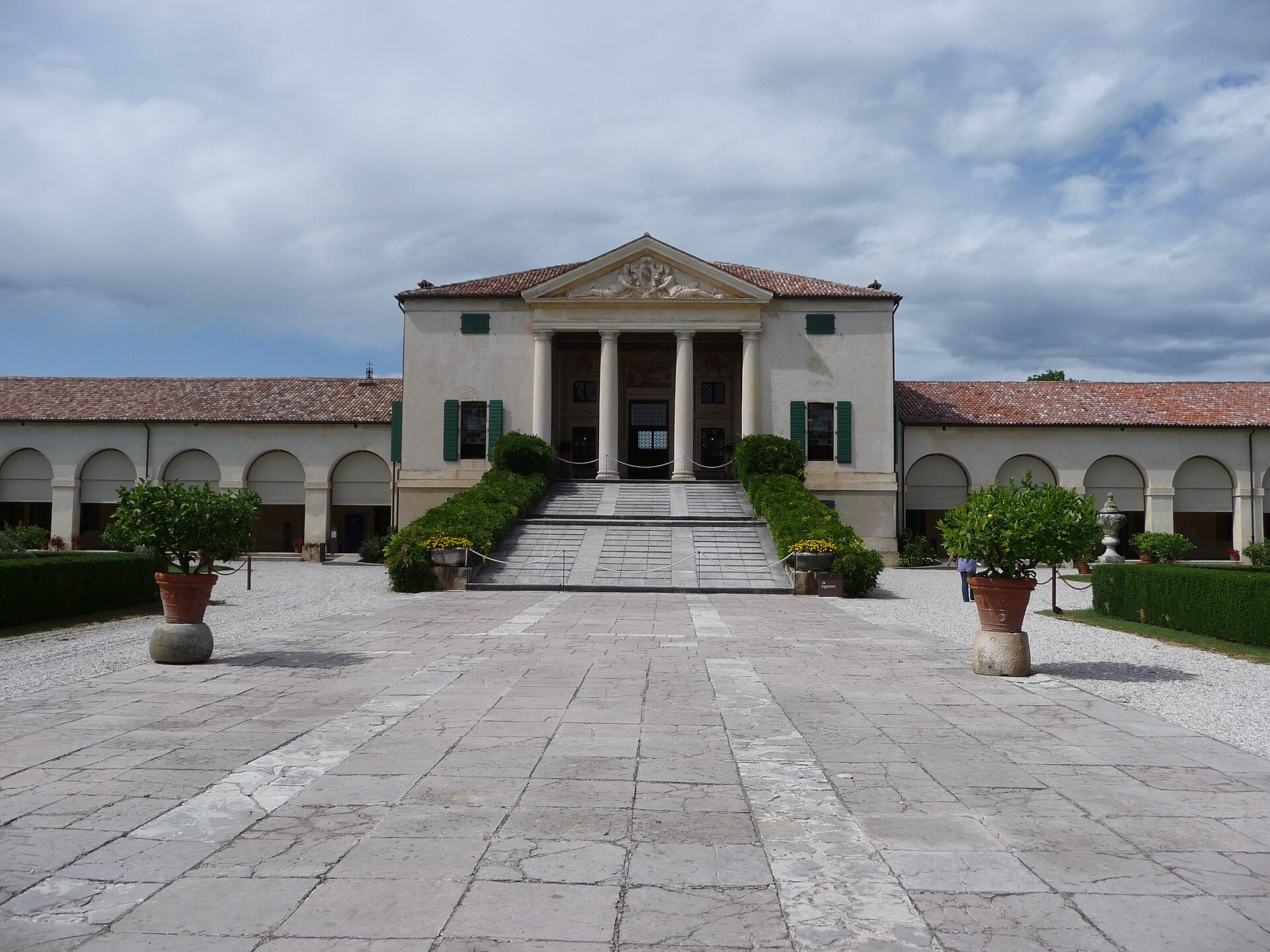
Moving northeast along the base of the Asolo hills lies the Treviso area where two of the Palladian villas with some of the most beautiful interior spaces can be found. Located in Maser is Villa Barbaro which is known for its cycle of frescoes painted by Paolo Veronese, considered among the most important of the sixteenth century. Only a few miles from Villa Barbaro and located in Fanzolo di Vedelago, is Villa Emo, an example of a villa completely designed after the Palladian model; it has a central manor house with a long entrance ramp and symmetrical farm wings (barchesse) that connect the house to the surrounding landscape.
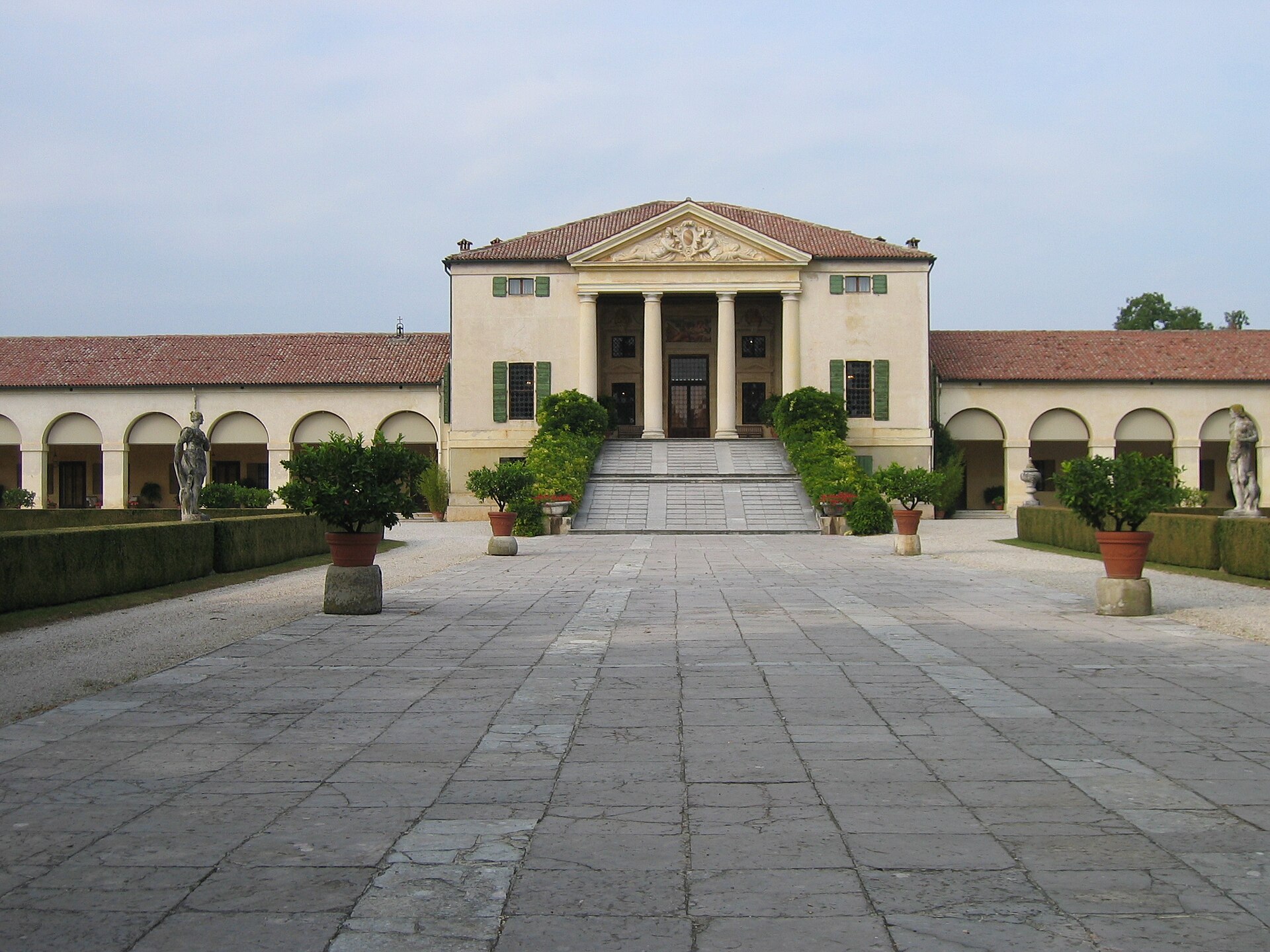 Photo: Mhwater / Wikimedia Commons — CC BY-SA 3.0
The two villas are a handful of kilometres apart and are well visited together in a day, perhaps paired with Asolo. It is also the area where the Palladian language spread most widely: around Treviso thousands of minor residences take up its grammar, like the many other Venetian villas of the Treviso countryside that stand alongside the famous names.
The Riviera del Brenta and the Padua Area
There are dozens of noble villas along the Naviglio del Brenta - an old waterway that runs between Venice and Padua. The most important by Palladio's own hand is Villa Foscari, known as La Malcontenta at Mira: an example of his use of an elevated base (to keep its Ionic portico out of the floodwaters) and direct views onto the river, to striking scenic effect. For visitors who have arrived in this area from Venice, there is no better place to begin their journey than here; for those seeking assistance in navigating through all the remaining waterside villas, the guide to the Venetian villas of the Riviera del Brenta will be very helpful.
In the area around Padua, at Piombino Dese, is located Villa Cornaro with a double layer of superimposed porticos in front: this was an influential model that would be reproduced even overseas. Meanwhile, in the southern part of the province of Vicenza is Villa Pisani at Bagnolo di Lonigo completing the list of lesser known but equally significant Palladian works.
How to Plan Your Itinerary
The most efficient way to visit the Palladian villas is to think by area, not by individual villa:
- A day in Vicenza: La Rotonda in the morning, the Palladian city in the afternoon.
- A day in the Treviso area: Villa Barbaro and Villa Emo, with a stop at Asolo or Maser.
- A day between the Brenta and Padua: La Malcontenta at Mira and Villa Cornaro at Piombino Dese, along the Venice–Padua axis.
- Always check hours and reservations: many villas are inhabited or run by foundations and open only on set days or by appointment.
To understand before you set off what distinguishes a Palladian villa from the others — the manor house, the porticoed pediment, the barchesse — it is worth reading the dedicated guide to the Palladian Venetian villas, which helps you recognise the same elements in villas far apart from one another.
FAQ
Where are the Palladian villas? They cluster in four areas of the Veneto: the Vicenza area (La Rotonda, Villa Godi), the Treviso area (Villa Barbaro at Maser, Villa Emo at Fanzolo), the Riviera del Brenta (La Malcontenta at Mira) and the Padua area (Villa Cornaro at Piombino Dese).
How many Palladian villas are there in the Veneto? There are twenty-four villas attributed to Andrea Palladio included in the UNESCO site "City of Vicenza and the Palladian Villas of the Veneto", in addition to the Palladian buildings in the city of Vicenza. The model then spread to thousands of other residences.
Which is the most famous Palladian villa to see in Vicenza? La Rotonda (Villa Almerico Capra), on the outskirts of Vicenza: a central plan, four identical porticoes and a dome. It is the most imitated Palladian building in the world and the essential stop of the Vicenza area.
In summary
You can evaluate the map of Palladian villas based on their geographic location (the Veneto region where you'll be visiting will help decide what villas to see, i.e., the Vicenza area for La Rotonda and Palladio’s City, the Treviso area for Villa Barbaro and Villa Emo with their frescoes, the Riviera del Brenta for La Malcontenta and Padua area for Villa Cornaro). Viewing your trips by geographic areas as opposed to seeing one villa after another will give you an opportunity to experience most of them in two or three days. If you want to take it a step further, discover which are the Venetian villas worth visiting or get in touch for a visit to the villa.
Sources: UNESCO — City of Vicenza and the Palladian Villas of the Veneto, Istituto Regionale per le Ville Venete (IRVV). Locations are indicative and visiting arrangements vary: always check the official websites of the individual villas before setting out.
Would you like to see the Villa in person?
The Villa is a private residence. Visits and receptions in Vascon di Carbonera are arranged by appointment only.
Make an enquiry →