Parco del Sile: Walking and Cycling Itineraries Along the River (2026)
What to see in the Sile River Nature Park: springs, greenway, villages and the Cervara Oasis. Walking and cycling itineraries along this spring-fed river.
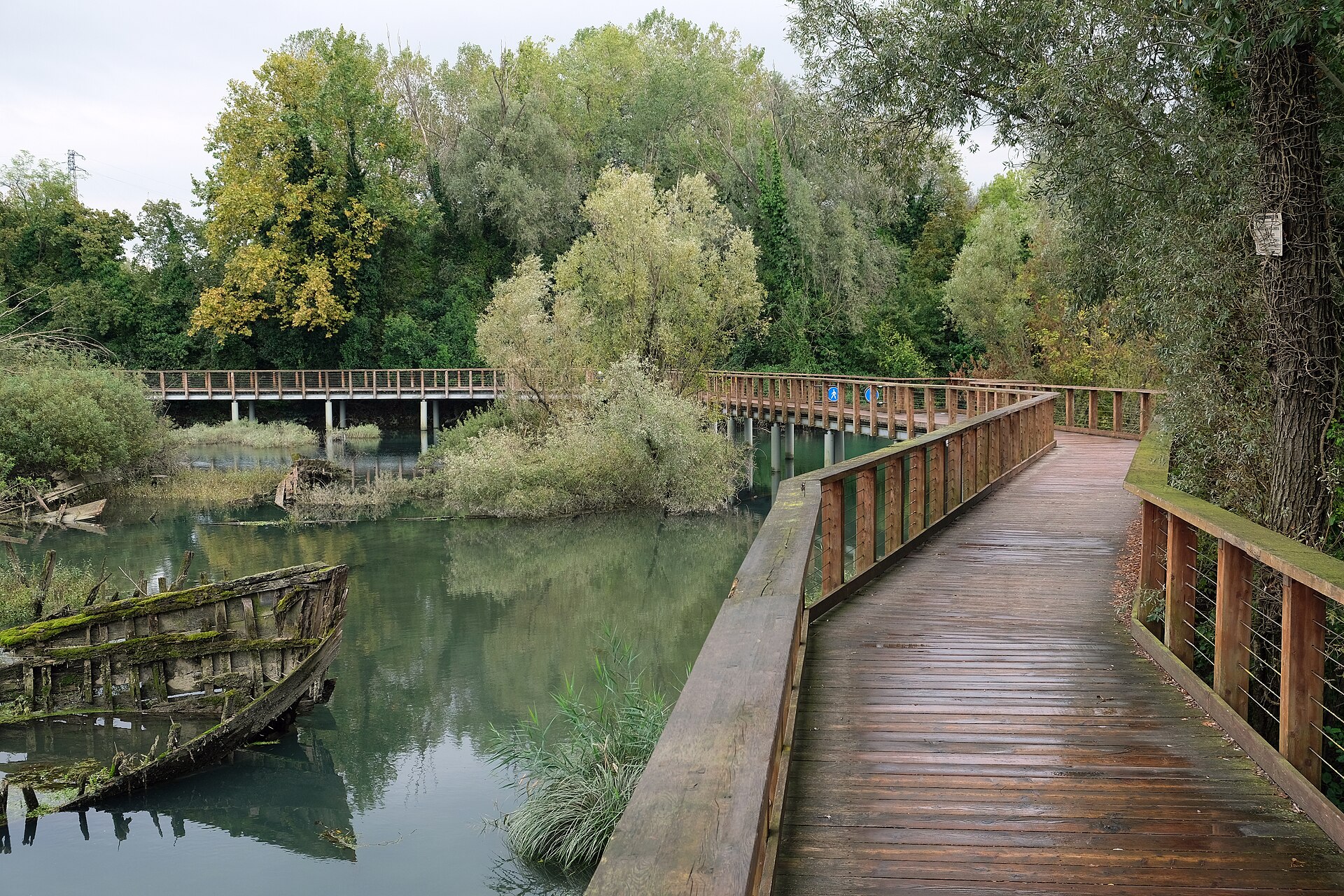
The Parco del Sile (Sile River Park) is an environmentally-protected area in Italy and follows the path of one of Italy's longest spring fed rivers from its sources in the Treviso countryside through to the Venetian lagoon. It does not represent a mountain park or a closed reserve as much as it represents a long corridor of water, vegetation, and canalized pathways which can be traversed on foot, by bike, or by boat while passing through villages; historic mill sites; nature reserves and ancient river port areas. This guide will assist you with identifying sights for each section of the river and planning your itinerary so that you do not lose your way in this relatively flat but surprisingly variable landscape. Our villa lies in Vascon di Carbonera, adjacent to the park.
In brief
- The Sile River Regional Nature Park protects more than ninety kilometres of river, from the springs of Casacorba to the lagoon.
- The Sile rises from risorgive, lowland springs that yield clear water at a constant temperature all year round.
- The greenway links Treviso to the springs at one end and to the lagoon at the other: ideal on foot and by bicycle.
- Not-to-be-missed stops: the springs of Casacorba, the Cervara Oasis at Quinto and the Burci Cemetery at Casier.
- The park touches Carbonera and Vascon, a few minutes from the villa.
What the Sile River Nature Park Is
In 1991, the Sile River Regional Nature Park was established to protect the Sile River's entire course and its surrounding buffer zones, from its springs located near Casacorba (Vedelago) and ending in the Venetian Lagoon at Portegrandi. The Sile has unique geology; it does not come down from a mountain, but rather flows up from underground due to the risorgive, which is an occurrence where rainwater filtered through gravel of the higher plains re-emerge when they hit soil that becomes non-porous. As a result of this process, the river has clear running water that flows steadily and slowly through environments of reeds, wetlands and wooded riparian forests. This steadiness provided for mills, silk plants and also, for centuries, a river transportation system using burci or cargo boats as vessels connecting Treviso to Venice.
Itineraries Along the River, Stretch by Stretch
The simplest way to get your bearings is to think in stretches: each section of the river has a different character, from the rural springs to the urban river at Treviso, all the way to the meadow embankments towards the lagoon.
| Stretch / route | What to see | How to travel it |
|---|---|---|
| Springs — Casacorba (Vedelago) | The springs, the fontanassi, the wet meadows where the river is born | On foot, short and flat nature trails |
| Upper Sile — Morgano, Quinto, Cervara Oasis | The mill and the Cervara nature oasis, birdwatching | On foot or by bike, the oasis loop |
| Treviso and its belt — Carbonera, Vascon | The urban river, the mills, the countryside upstream of the city | By bike along the banks, stops in the villages |
| Lower Sile — Casier, Casale, Silea | The Burci Cemetery, the towpath, the old landings | The greenway on foot or by bike |
| Towards the lagoon — Quarto d'Altino, Portegrandi | The meadow embankments, the meeting with the lagoon | By bike or by boat along the navigable river |
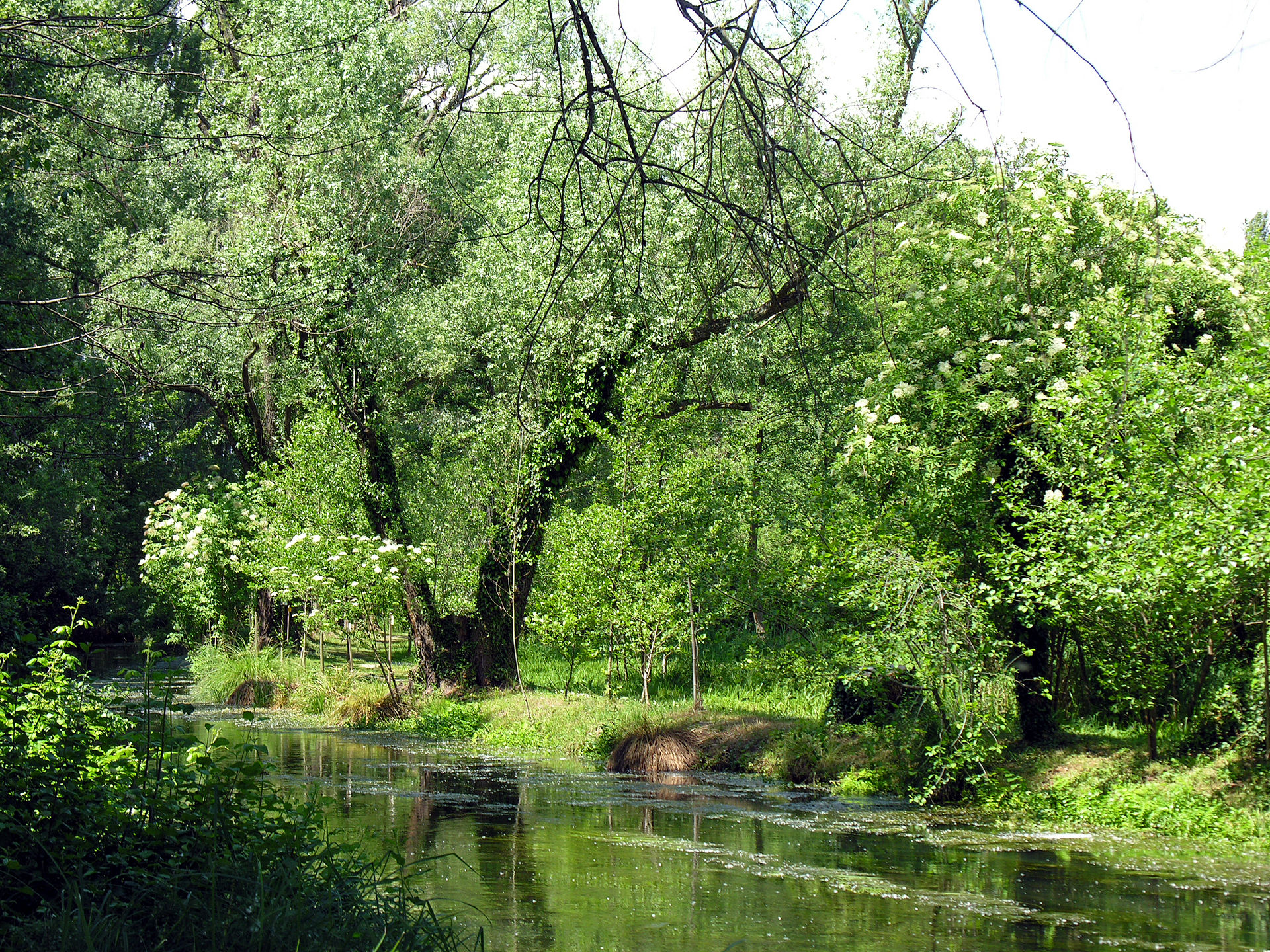 Photo: Paolo Tonon / Wikimedia Commons — CC BY-SA 2.0
The Springs of Casacorba
This is the starting point of the river, and I think that this is perhaps the most symbolic location within the entire park; a number of pools connected together which create a natural spring in the center of fields with clear water coming out. These nature trails are relatively short and suitable for all visitors, providing an opportunity to understand how the springs work before heading further down the river.
The Cervara Oasis and the Upper Sile
At Quinto di Treviso, The Cervara Oasis is among the most loved places to visit because it includes a restored mill, a pool of water (and) a home for birds such as herons, kingfishers and many others that live in wetlands. A place to take a quiet stroll or go bird watching: the Oasis opens to visitors during certain times of the year.
The Greenway and the Lower Sile
DOWNSTREAM the towpath — formerly used for hauling the burci — has been transformed into a vital part of the Sile Greenway, allowing both walking and cycling. It's here at Casier that you'll find the Burci Cemetery — an area in which old wooden boats were left to sink along the banks — also an incredibly popular spot for photography with its panoramic footbridge. Marked distances along this park are indicative, so gauge your own speed; however, plan out your routes back when needed.
The Sile and the Villa: Carbonera and Vascon on the Water
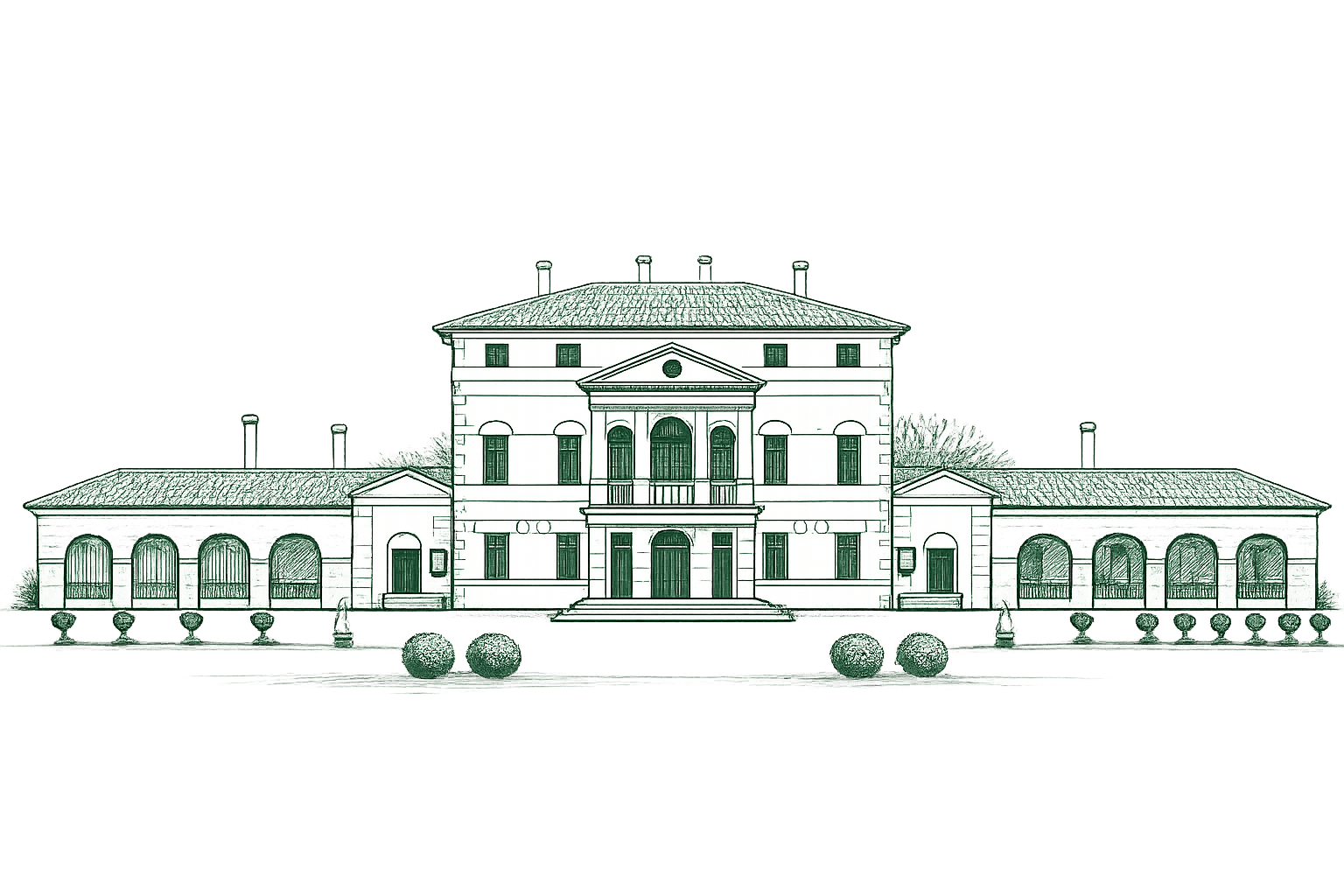
The connection between Parco del Sile and Villa Loredan Valier Perocco di Meduna has nothing random about it. Carbonera is an area of springs, and the same springs that feed the park create the landscape around Vascon, the hamlet where the villa stands. The Park surrounding the villa feeds off Spring Water; it has the same geologic source as the River. A visitor to the Sile may easily combine a day spent exploring the river with a stop at the villa and a walk in Treviso, the Sile's "city of water" par excellence: you can write to us to schedule your visit.
FAQ
What to see in the Sile River Nature Park? The main stops are the springs of Casacorba (the river's sources), the Cervara Oasis at Quinto di Treviso with its mill and wetland, the urban river at Treviso and the Burci Cemetery at Casier along the greenway. Downstream the landscape opens up into meadow embankments as far as the lagoon.
Can you travel the Sile by bicycle? Yes. The old towpath along the river has become a greenway that can be walked and cycled, with stretches linking Treviso to the springs on one side and to the lagoon on the other. The distances are indicative: it is worth planning your stages and starting points according to your own fitness.
Why is the Sile called a spring-fed river? Because it doesn't originate from glaciers, nor mountain springs; but originates in the risorgive (where rainwater percolates downward through the gravels of the upper plains and then rises to the surface again when they hit an impermeable layer), this is also why the Sile has such clear water, maintains a consistent flow rate and remains at nearly constant temperature throughout the year, which is why it is considered one of Italy's longest spring-fed rivers.
In summary
You can best experience the Parco del Sile on one section at a time: Casacorba Springs (to see where it starts), Cervara Oasis (for nature) Lower Sile Greenway & Burci Cemetery (for historical aspects of the river). It is an easy to follow itinerary which takes place in the lowlands, allowing you to either walk or cycle along this path. It is also close enough to both Carbonera and Vascon - and thus close enough to the villa. Always check before heading out for the hours of operation and access for each oasis and treat the distance measurements as approximate; The Sile flows at a very leisurely pace so enjoy your journey!
Sources: Sile River Regional Nature Park, Marca Treviso. Opening hours, access and routes are indicative: always check the official websites before your visit.
Would you like to see the Villa in person?
The Villa is a private residence. Visits and receptions in Vascon di Carbonera are arranged by appointment only.
Make an enquiry →