Getting Married in a Venetian Villa: How to Choose the Right Wedding Venue
Getting married in a Venetian villa: why choose one, which spaces to weigh, seasonality, capacity and heritage rules. A practical, elegant Italian villa wedding guide.
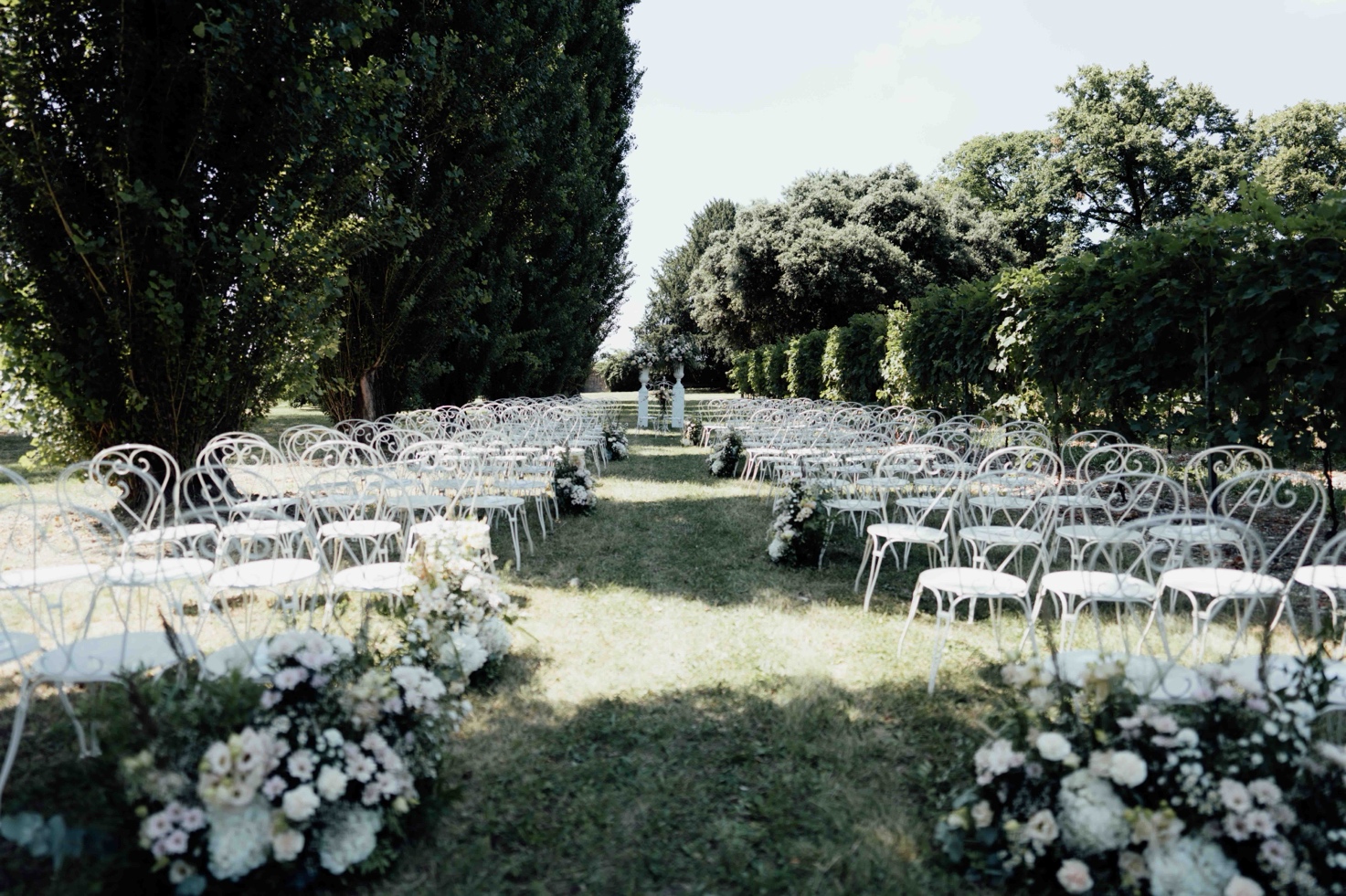
A Venetian Villa wedding is a dreamy way to celebrate your special day surrounded by one of Italy's most breathtaking settings – including a stunning historic manor house, beautiful barchesse with porticos, an ornate frescoed hall and a centuries-old park, all in a single place. Couples that are looking for authentic elegance without having to start from scratch will love this setting as there is no need to create the setting itself, since the villa has already provided the space, scale & ambiance. This guide will help you decide if an Italian villa wedding is worth it and provide tips on choosing the best venue(s) and what factors should be taken into account when booking your event including seasonality and/or potential limitations due to heritage concerns.
In brief
- A Venetian villa brings ceremony, aperitivo and reception together in one place, with no need to move between venues.
- There are three key spaces: the porticoed barchessa, the frescoed hall and the historic park — each with its own season and mood.
- Capacity is always indicative: it depends on the layout and should be confirmed with a site visit.
- As these are protected historic buildings, décor and suppliers must be agreed upon in keeping with conservation requirements.
- Book well ahead: dates in May, June and September fill up quickly.
Why choose a Venetian villa for your wedding
A good quality Venetian villa, is its ability to have a "flow", this means guests can go directly from the ceremony, to the aperitivo, to the reception all on one site. The flow will be beneficial with regards to logistical planning of events as there are no long pauses or waiting times. Most importantly it provides an overall cohesive story line throughout the entire day. A function room does not provide you with a back drop for photographs; but a villa has many things built into it such as columns, porticos, frescoes, statues and old trees that become part of your photographic background at any time of day and under different lighting conditions.
Then there are the Venetian villas themselves. There are more than 4,000 historical villas in the countryside of Veneto, and a strong concentration of them are located near Treviso and Padua. When marrying in this area you will be entering a long history of hospitality and majesty. For those who wish to get some idea about what they see as we move from place to place, click on our guide to the Venetian villas worth visiting for an overview of the options.
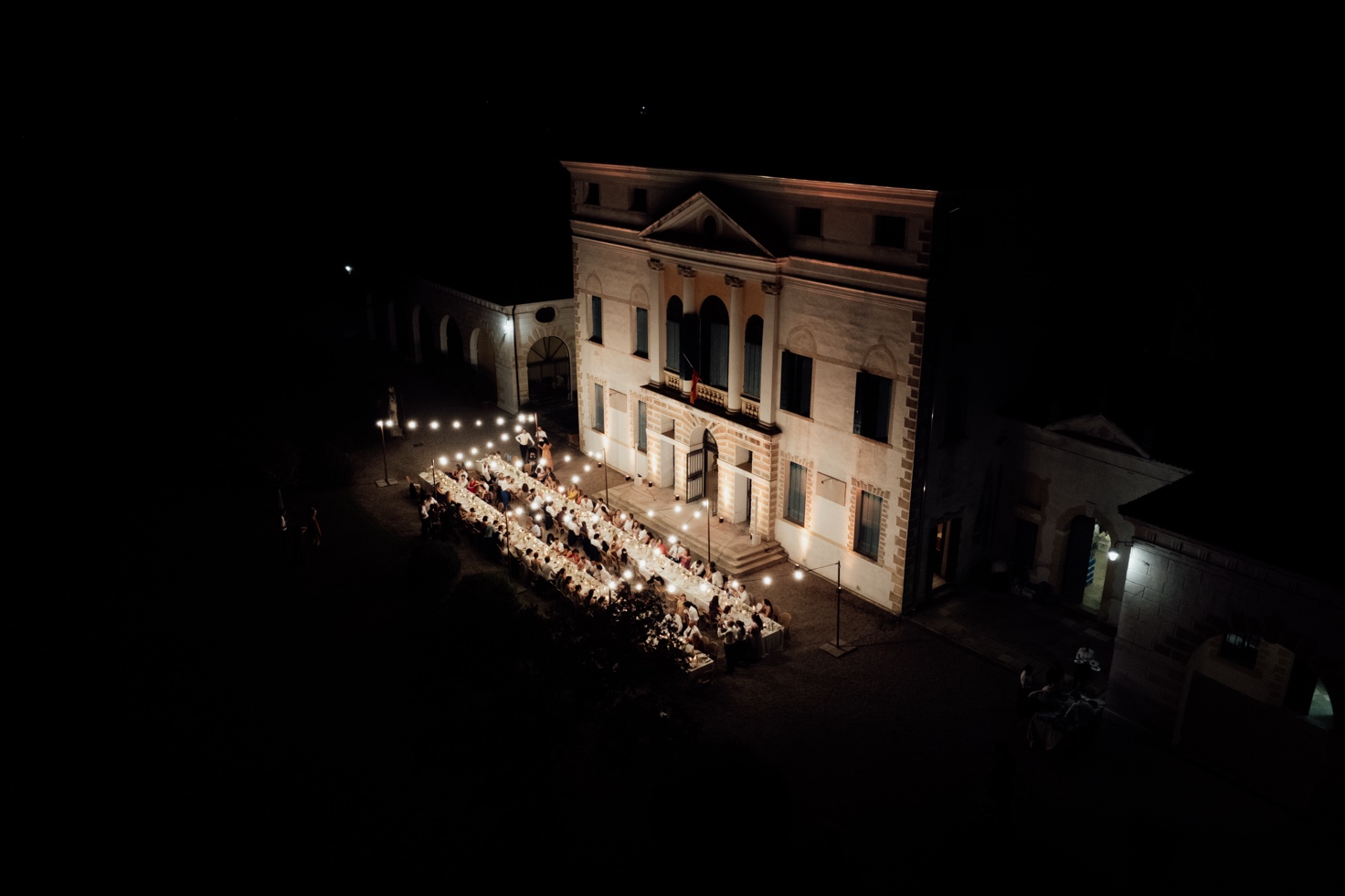
The spaces to weigh: barchessa, hall, park
Every Venetian villa has an environment that will be appropriate to your needs depending on the time of day you wish to host, how many people you want to invite, what time of year it is and the ambiance you desire. A table summarizing the three common areas in which events can take place is provided below — capacities are approximate and should always be verified through a site visit since space varies based on your chosen layout.
| Space | Indicative capacity | Ideal season | Atmosphere |
|---|---|---|---|
| Porticoed barchessa | up to ~120–150 seated | spring and autumn | sheltered yet open to the park, elegant and relaxed at once |
| Frescoed hall | up to ~60–80 seated | year-round, ideal in winter | stately and intimate, perfect for dinner or an indoor reception |
| Park / garden | generous, on request | late spring and summer | scenic and natural, ideal for an outdoor ceremony and aperitivo |
The barchessa with portico, in my opinion, has the greatest versatility because it protects guests from sunlight and light rains without blocking their view of the park and can be used for both luncheon and dinner. The frescoed hall would be the most formal option for a banquet or as an alternative indoor location in case the weather changes. The park is ideal for symbolic or civil ceremonies and also provides a great atmosphere for the "aperitivo" (when late afternoon sun filters through the old trees).
Civil, symbolic or religious ceremony
Many Venetian villas are equipped with an eighteenth-century oratory; a small religious site in which to hold an intimate wedding ceremony by arrangement with the relevant ecclesiastical authority, and which is located just steps away from the reception area. Symbolic ceremonies may be held at many of these sites, and legal civil weddings as well where they are approved by the local municipal government through one of its branches within the town hall.
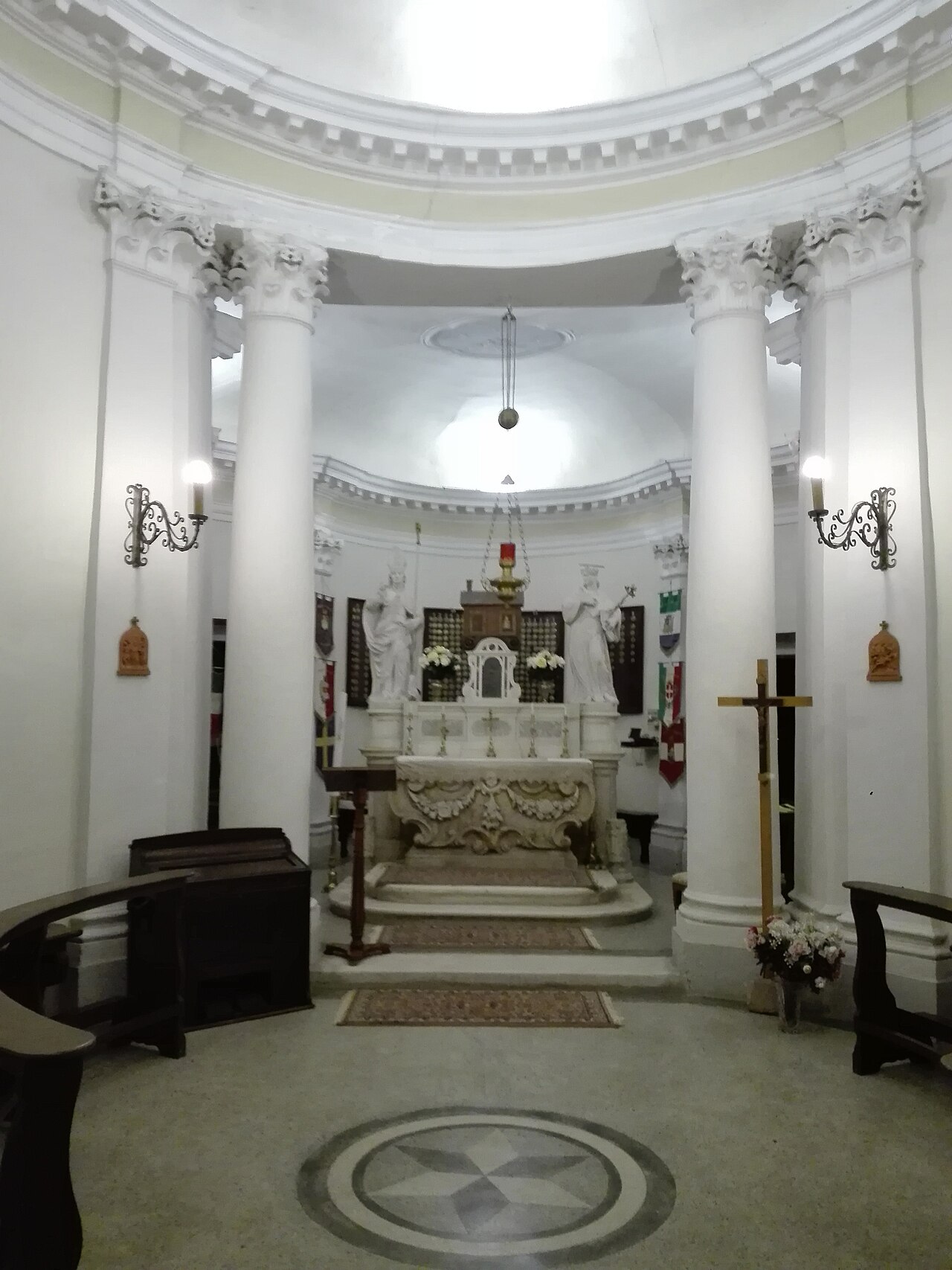
Check well in advance with both the villa and the council as to which rites are permitted: the rules governing civil validity vary from one authority to the next, and the oratory's availability depends on arrangements with the parish.
What to consider before you book
A few simple precautions head off the most common surprises:
- Seasonality. The most sought-after months — May, June and September — are booked more than a year ahead. Consider April and October too: pleasant weather and better date availability.
- Real capacity. The number of seated guests changes considerably depending on table layout, dance floor and service areas. Always ask for a site visit with a reference setup.
- Weather plan B. An outdoor ceremony or reception always needs an indoor alternative: the barchessa or the hall. Check its capacity in advance.
- Suppliers and catering. Some villas work with a selected list of suppliers, others leave you free to choose. Clarify from the outset what is and isn't included.
- Heritage constraints. Venetian villas are protected historic buildings. Fixings to walls and ceilings, open flames, sound systems and lighting must be agreed upon to safeguard the conservation of the rooms. It's a limit that protects the very thing that makes the venue unique.
Villa Loredan Valier Perocco di Meduna as a venue
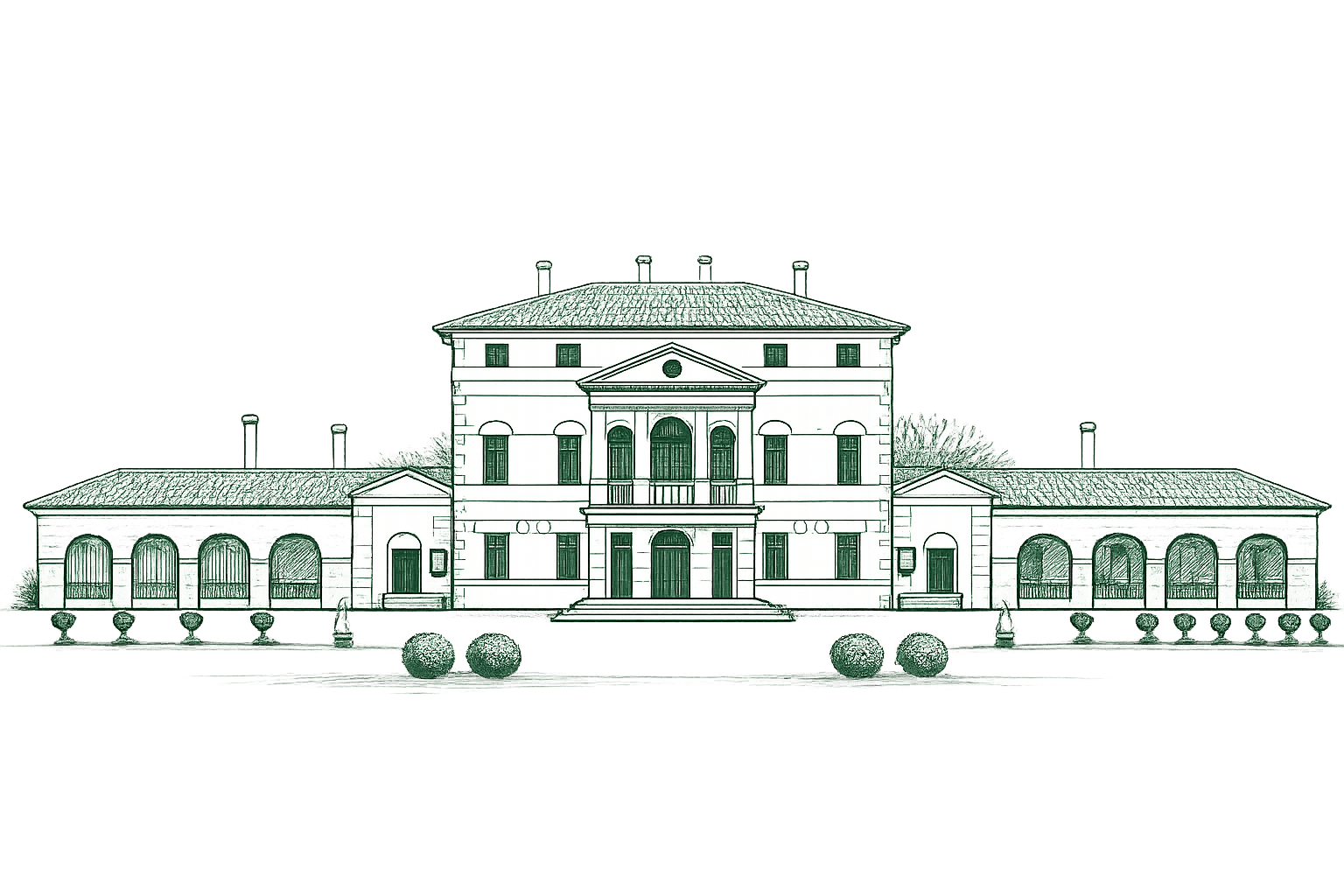
In Treviso's province, in Vascon di Carbonera, Villa Loredan Valier Perocco di Meduna has it all: an old manor house built in the late Seventeenth and Eighteenth Centuries; two covered barchesse with porticos; an eighteenth-century oratory; a frescoed hall and a park watered by natural springs. This allows to develop each step of your day on the property – ceremony in the park; drinks under the barchesse porticos, dinner in either the hall or one of the barchesse -- never having to leave.
The villa hosts bespoke receptions and events, and you can see it in person with a visit by appointment. A look at the gallery and the history of the residence helps you picture the atmosphere well before the site visit.
FAQ
How much does a Venetian villa wedding cost? Prices depend upon how many guests are coming, what spaces you use, when (season) and what services you have requested. So there isn't one price; your best bet would be to get a custom quote after choosing a specific date or range of days for your event and getting an idea of approximately how many people will attend. If you'd like to contact Villa Loredan write through the contact page.
How many guests can a Venetian villa host? It depends on the space and the layout. The park accommodates the largest numbers for the ceremony and aperitivo; the barchesse and halls have more modest capacities for dinner. Every figure should be confirmed with a site visit, as tables, dance floor and service areas make a real difference.
Can a religious ceremony be held at the villa? Many Venetian villas have a historic oratory that, by arrangement with the relevant ecclesiastical authority, can host a religious ceremony. Alternatively, couples can hold civil rites — where the council permits — and symbolic ceremonies in the park.
In summary
A Venetian villa wedding puts all three events of your day (ceremony, aperitivo and reception) into one location, and in an old building which no matter how much decoration you add will be impossible to recreate. Select the area that suits both the time of year, the number of people attending your event and the ambiance you are seeking—barchessa, hall or park—and make sure there is an indoor Plan B if weather does not allow; also confirm as early as possible with regards to decor and other service providers, according to the rules regarding heritage buildings. If you would like an authentic home in the Treviso country side, Villa Loredan is a great starting point: visit the property by booking a viewing directly from the contact page.
To check availability of dates, spaces and services, and to receive a tailored quote, write to us from the contact page. For historical context on the Venetian residences: Istituto Regionale per le Ville Venete (IRVV).
Would you like to see the Villa in person?
The Villa is a private residence. Visits and receptions in Vascon di Carbonera are arranged by appointment only.
Make an enquiry →