Restauro conservativo di una villa veneta: cos'è e come funziona
Cos'è il restauro conservativo e come differisce dalla ristrutturazione: diagnostica, autorizzazione della Soprintendenza e restauro degli affreschi.
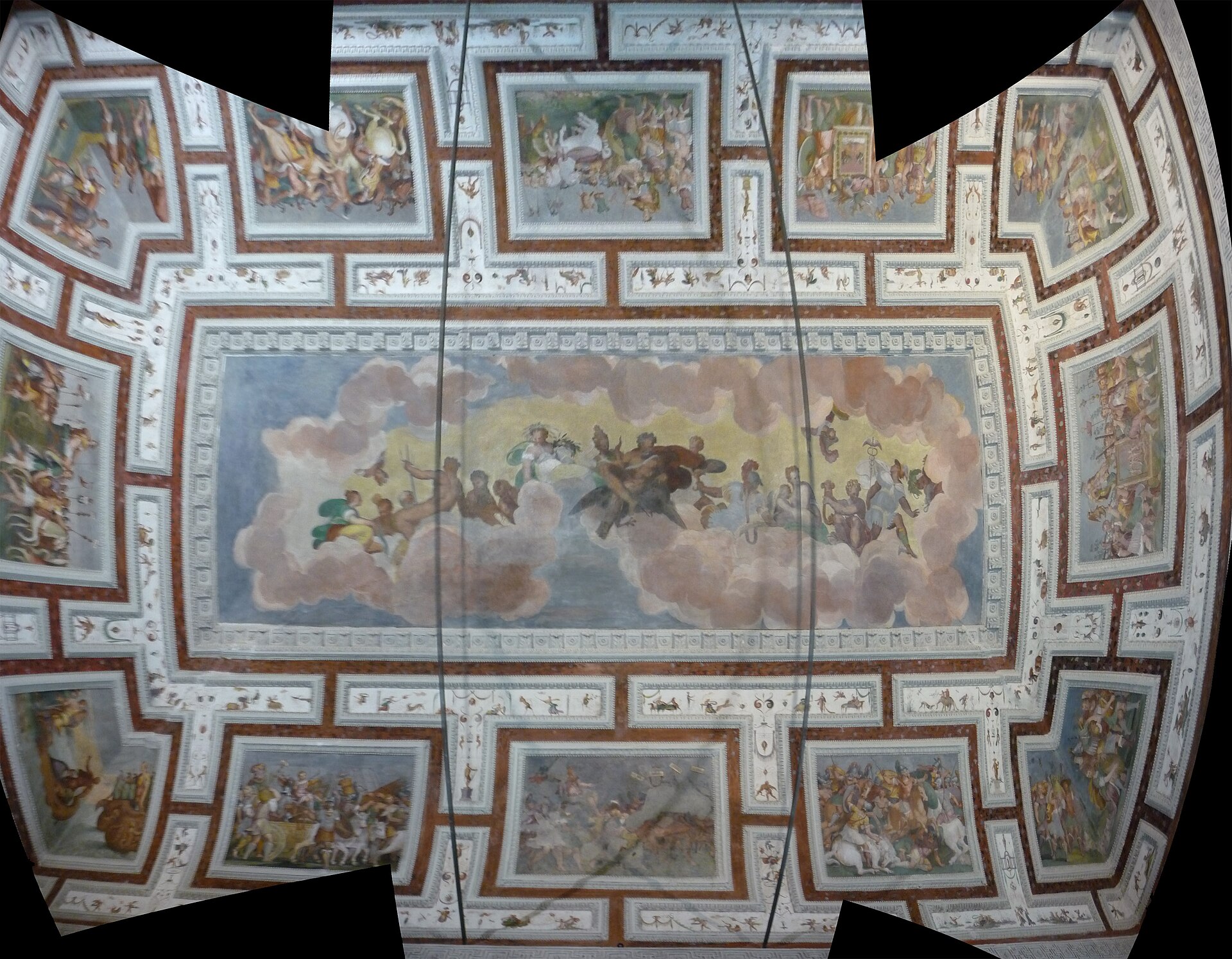
Il restauro conservativo è l'insieme degli interventi che mirano a preservare un edificio storico nella sua materia e nel suo aspetto originali, riparando i danni del tempo senza sostituire o reinventare ciò che esiste. A differenza della ristrutturazione, che può modificare distribuzione, materiali e finiture per adeguare un immobile a nuovi usi, il restauro conservativo parte da un principio opposto: l'originale va tutelato, consolidato e trasmesso al futuro con il minimo intervento possibile. Per un bene vincolato come una villa veneta, questa non è una scelta di gusto ma un obbligo di legge, disciplinato dal Codice dei beni culturali (D.Lgs. 42/2004).
In breve
- Il restauro conservativo tutela la materia originale; la ristrutturazione la modifica o la sostituisce.
- Su un bene vincolato ogni intervento richiede l'autorizzazione della Soprintendenza (art. 21 D.Lgs. 42/2004).
- Il processo corretto parte sempre da diagnostica e progetto, non dai lavori.
- Le figure indispensabili sono il restauratore qualificato e l'architetto.
- Per i soffitti lignei si combinano trattamento contro insetti xilofagi, consolidamento e protezione.
Restauro conservativo: cosa significa davvero
Restaurare in senso conservativo significa leggere l'edificio prima di toccarlo. Ogni fase di degrado — una trave indebolita dai tarli, uno strato pittorico che si solleva, un intonaco che si distacca — viene documentata e trattata con tecniche reversibili e compatibili con i materiali storici. L'obiettivo non è far apparire l'opera "come nuova", ma stabilizzarla, renderla di nuovo leggibile e rallentarne il deterioramento. È la differenza tra curare e rifare.
Questo approccio riguarda tanto le strutture quanto le superfici decorate. In una villa veneta convivono spesso soffitti lignei a travi dipinte, saloni con affreschi, stucchi, pavimenti alla veneziana e serramenti storici: elementi diversi, ciascuno con il proprio linguaggio di degrado e la propria metodologia di intervento.
Restauro conservativo vs ristrutturazione
La confusione tra i due termini è frequente, ma le implicazioni sono profonde: cambiano gli obiettivi, le autorizzazioni, i professionisti e l'effetto sull'edificio.
| Aspetto | Restauro conservativo | Ristrutturazione |
|---|---|---|
| Obiettivo | Conservare e consolidare la materia originale | Adeguare, ammodernare o trasformare l'immobile |
| Effetto sull'originale | Minimo intervento, tecniche reversibili | Può sostituire materiali, finiture e distribuzione |
| Autorizzazioni | Autorizzazione della Soprintendenza su beni vincolati (art. 21) | Titoli edilizi ordinari (comunali) |
| Chi lo esegue | Restauratore qualificato + architetto, sotto tutela | Impresa edile e progettista |
| Reversibilità | Requisito fondamentale | Non richiesta |
Su un bene tutelato, la ristrutturazione libera non è ammessa: qualunque intervento che incida sulla materia storica deve rispettare i criteri della conservazione ed essere preventivamente approvato.
Il processo, passo per passo
1. Diagnostica e progetto preliminare
Nessun cantiere serio comincia dai lavori. Si parte dalla conoscenza: rilievo, indagini sullo stato di conservazione, mappatura del degrado, analisi dei materiali e delle cause (umidità di risalita, infestazioni, dilavamento). Da qui nasce il progetto di restauro, con relazione tecnica, metodologia, computo delle opere e cronoprogramma. È la fase che il proprietario è tentato di saltare per risparmiare, ma è quella che protegge l'edificio — e l'investimento.
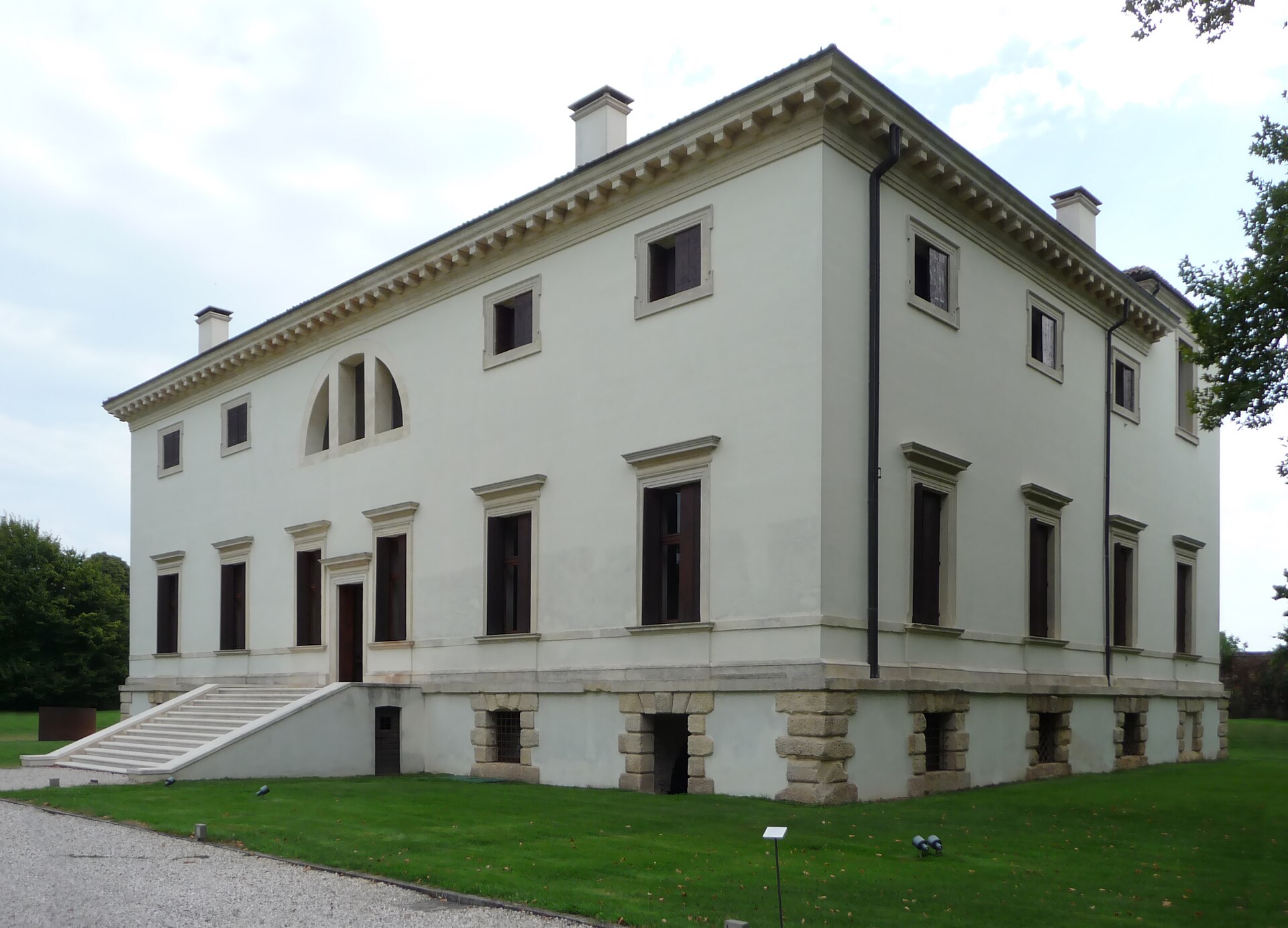
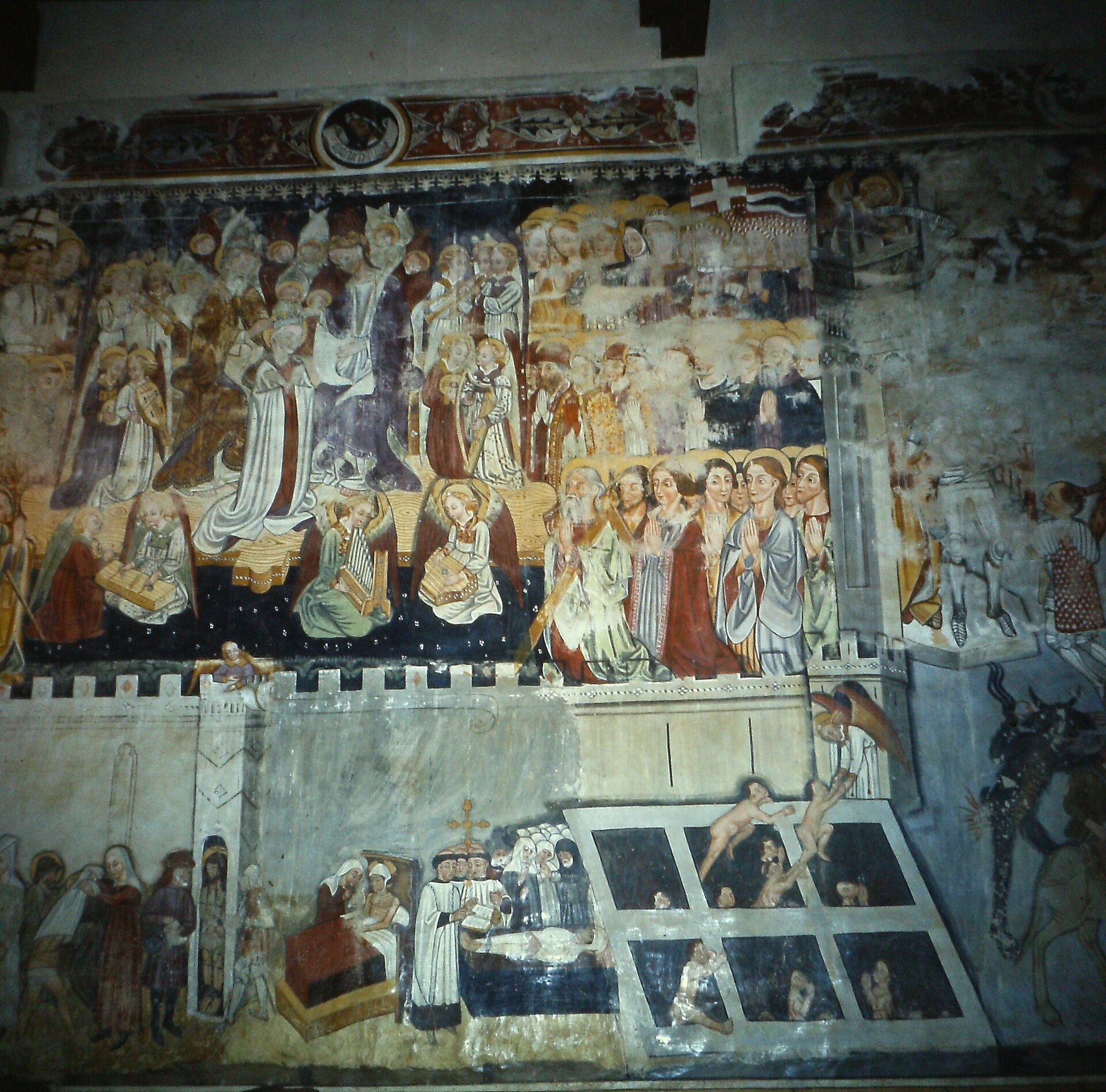 Foto: Francesco Rosina / Wikimedia Commons — CC BY-SA 4.0
2. Autorizzazione della Soprintendenza
Per gli immobili di interesse culturale, l'articolo 21 del D.Lgs. 42/2004 subordina ogni intervento all'autorizzazione della Soprintendenza competente per territorio. Il progetto viene presentato, valutato e, se conforme ai principi di tutela, approvato con eventuali prescrizioni. È un passaggio non negoziabile: eseguire lavori su un bene vincolato senza autorizzazione espone a sanzioni e all'obbligo di rimessa in pristino.
3. Conservazione dei soffitti lignei storici
Le strutture lignee sono tra le più vulnerabili. Il degrado tipico è duplice: l'attacco di insetti xilofagi (i cosiddetti tarli), che scava gallerie e riduce la resistenza del legno, e la perdita di coesione delle fibre. L'intervento corretto non è una semplice "disinfestazione", ma un'operazione di conservazione: trattamento curativo e preventivo contro gli insetti, consolidamento degli elementi indeboliti e protezione degli originali, mantenendo per quanto possibile le travi e i tavolati storici invece di sostituirli.
4. Restauro degli affreschi
Il restauro affreschi segue una sequenza consolidata: la pulitura, che rimuove depositi, ridipinture e vernici alterate riportando alla luce i colori; il consolidamento, che riancora gli strati pittorici e l'intonaco distaccati dal supporto murario; e l'integrazione pittorica, che ricuce le lacune con tecniche riconoscibili e reversibili (come il rigatino o la selezione cromatica), senza mai inventare ciò che è perduto. Il criterio guida è la distinguibilità: l'intervento deve essere leggibile e non deve falsificare l'originale.
Le figure coinvolte
Il restauro conservativo è un lavoro di squadra tra professionisti abilitati:
- Restauratore di beni culturali qualificato: interviene direttamente sulle superfici decorate e sui materiali storici, secondo il proprio profilo professionale riconosciuto.
- Architetto (o direttore dei lavori): coordina il progetto, i rapporti con la Soprintendenza e la direzione del cantiere.
- Diagnosti e laboratori: forniscono le analisi che orientano le scelte tecniche.
Nessuna di queste competenze è surrogabile da un'impresa edile generica: la differenza tra un restauro e un rifacimento sta proprio qui.
L'esempio di Villa Loredan
Villa Loredan Valier Perocco di Meduna, a Vascon di Carbonera (TV), riunisce in un solo complesso gli elementi tipici di un cantiere di conservazione: un salone affrescato, soffitti lignei storici e un oratorio settecentesco. Su un bene di questa natura, l'approccio è necessariamente conservativo — trattamento contro gli insetti xilofagi e consolidamento delle strutture lignee, diagnostica e restauro delle superfici affrescate — e passa sempre attraverso il progetto e l'autorizzazione della tutela. La storia della villa racconta le stratificazioni che un restauro deve saper leggere; interventi di questa portata si sostengono spesso con strumenti dedicati, come illustra la guida all'Art Bonus per le Ville Venete.
Domande frequenti
Che cos'è il restauro conservativo? È l'intervento che conserva e consolida la materia originale di un edificio storico, riparando i danni con tecniche reversibili e compatibili, senza sostituire o trasformare ciò che è autentico. Su un bene vincolato è disciplinato dal Codice dei beni culturali e richiede l'autorizzazione della Soprintendenza.
Che differenza c'è tra restauro conservativo e ristrutturazione? La ristrutturazione modifica l'immobile per adeguarlo a nuovi usi, potendo sostituire materiali e finiture; il restauro conservativo tutela l'originale con il minimo intervento. Il primo segue titoli edilizi ordinari, il secondo — su beni tutelati — l'autorizzazione della Soprintendenza.
Serve sempre l'autorizzazione della Soprintendenza? Sì, per gli immobili di interesse culturale. L'art. 21 del D.Lgs. 42/2004 subordina ogni intervento sulla materia storica all'approvazione preventiva della Soprintendenza competente. Procedere senza autorizzazione è illegittimo e comporta sanzioni.
In sintesi
Il restauro conservativo di una villa veneta non è manutenzione né ristrutturazione: è un percorso che parte dalla diagnostica, passa per l'autorizzazione della Soprintendenza e affida a un restauratore qualificato e a un architetto la cura dei soffitti lignei e degli affreschi. Il fine è uno solo: trasmettere l'originale al futuro. Per un sopralluogo o per conoscere il complesso, è possibile contattare la villa o esplorare le altre guide del Diario.
Fonti: D.Lgs. 22 gennaio 2004, n. 42 — Codice dei beni culturali e del paesaggio (Normattiva), Soprintendenza Archeologia, Belle Arti e Paesaggio per le province di Padova, Treviso e Belluno, Istituto Regionale per le Ville Venete (IRVV). Le procedure autorizzative possono variare: verifica sempre presso la Soprintendenza competente per territorio.
Vuoi conoscere la Villa di persona?
La Villa è una residenza privata. Visite e ricevimenti si organizzano esclusivamente su appuntamento a Vascon di Carbonera.
Richiedi informazioni →